By Sirjana Waiba
Date: June 25, 2026
Venue: Pharping Secondary School
Target Group: Grade 8 and 9 students
Mental health is very important for our overall health and well-being. But many students do not know much about it. They do not talk about it because of limited awareness and fear of being judged. Teenagers face many challenges. They have exam pressure, family expectations, problems with friends, and personal changes. They often do not know how to handle these feelings in healthy ways.
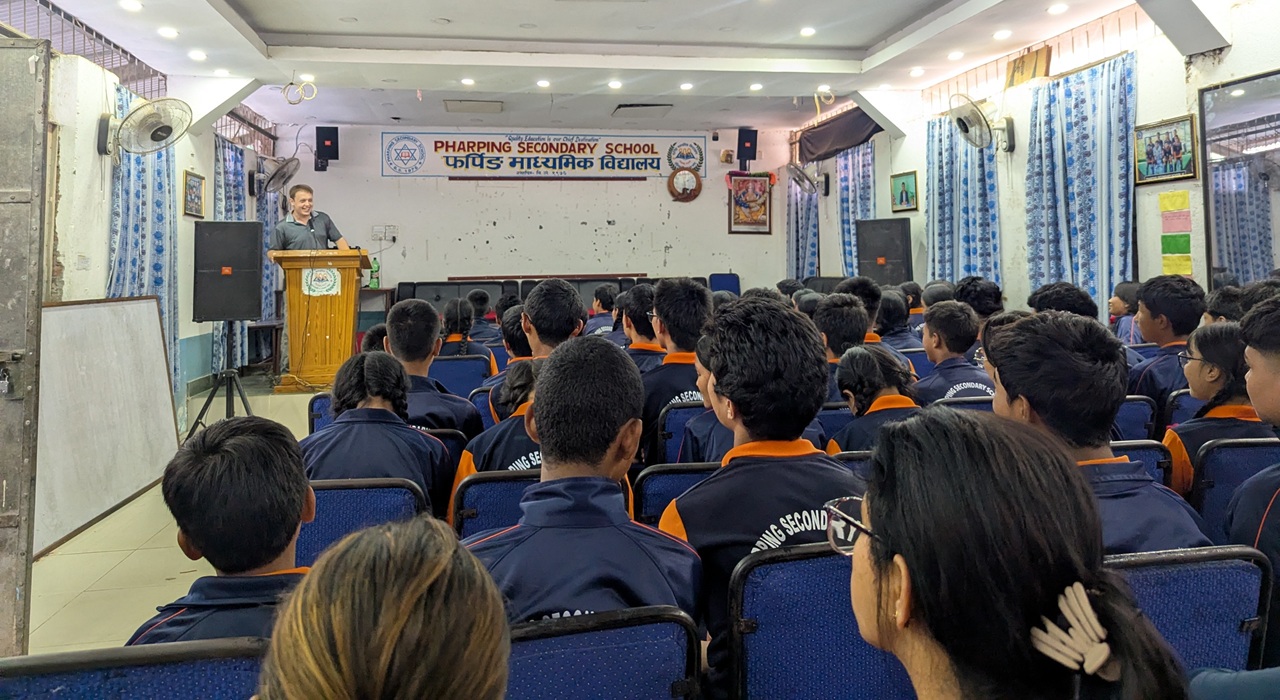
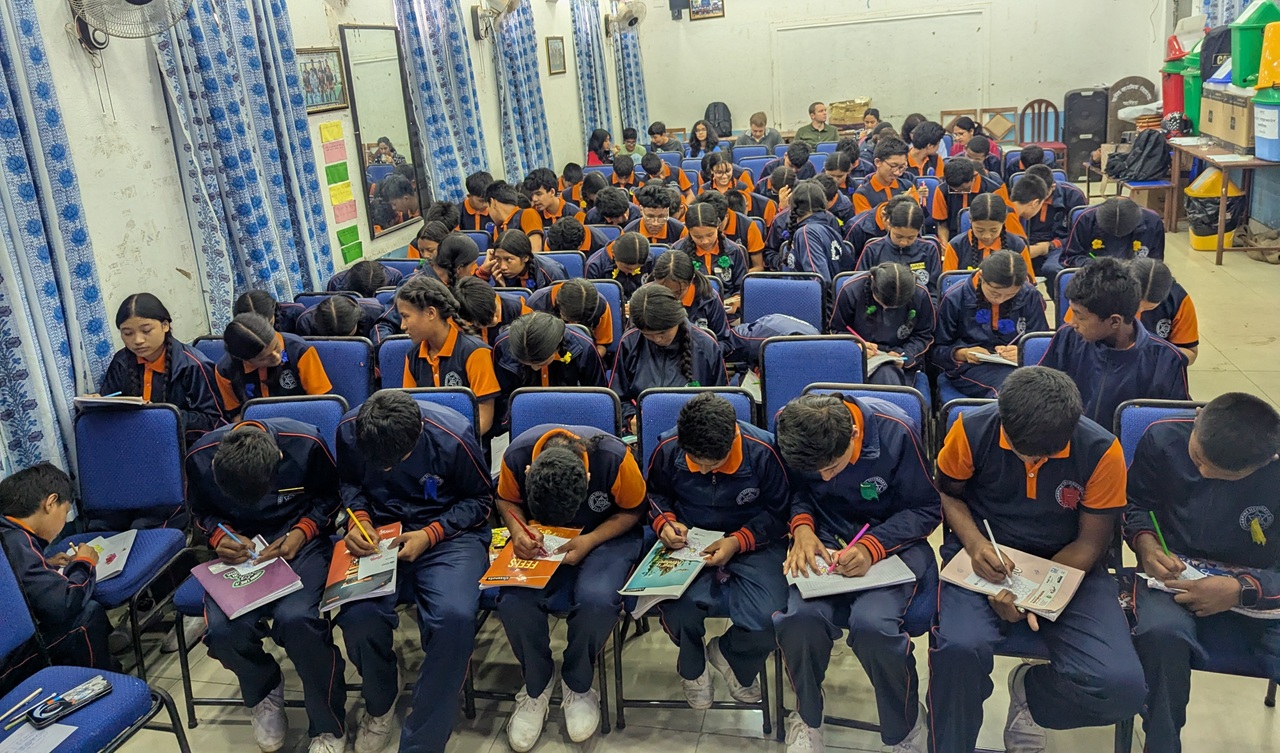
That is why Rukmini Foundation organized a Mental Health and Social Emotional Learning session for 79 Grade 8 and 9 students at Pharping Secondary School on June 25. The goal was to help students understand mental health, learn about emotions, and develop skills to manage stress and build healthy relationships.
Understanding Mental Health
The session started with a simple activity. The facilitator used the example of a school bag. Students named visible items like books, copies, and stationery. Then the facilitator introduced the idea of an "invisible bag." This invisible bag represents the emotional burdens we carry. It includes exam stress, family pressure, arguments with friends, fear, and other life challenges.
Students talked about healthy ways to manage stress. They mentioned yoga, nature walks, and writing in a diary.
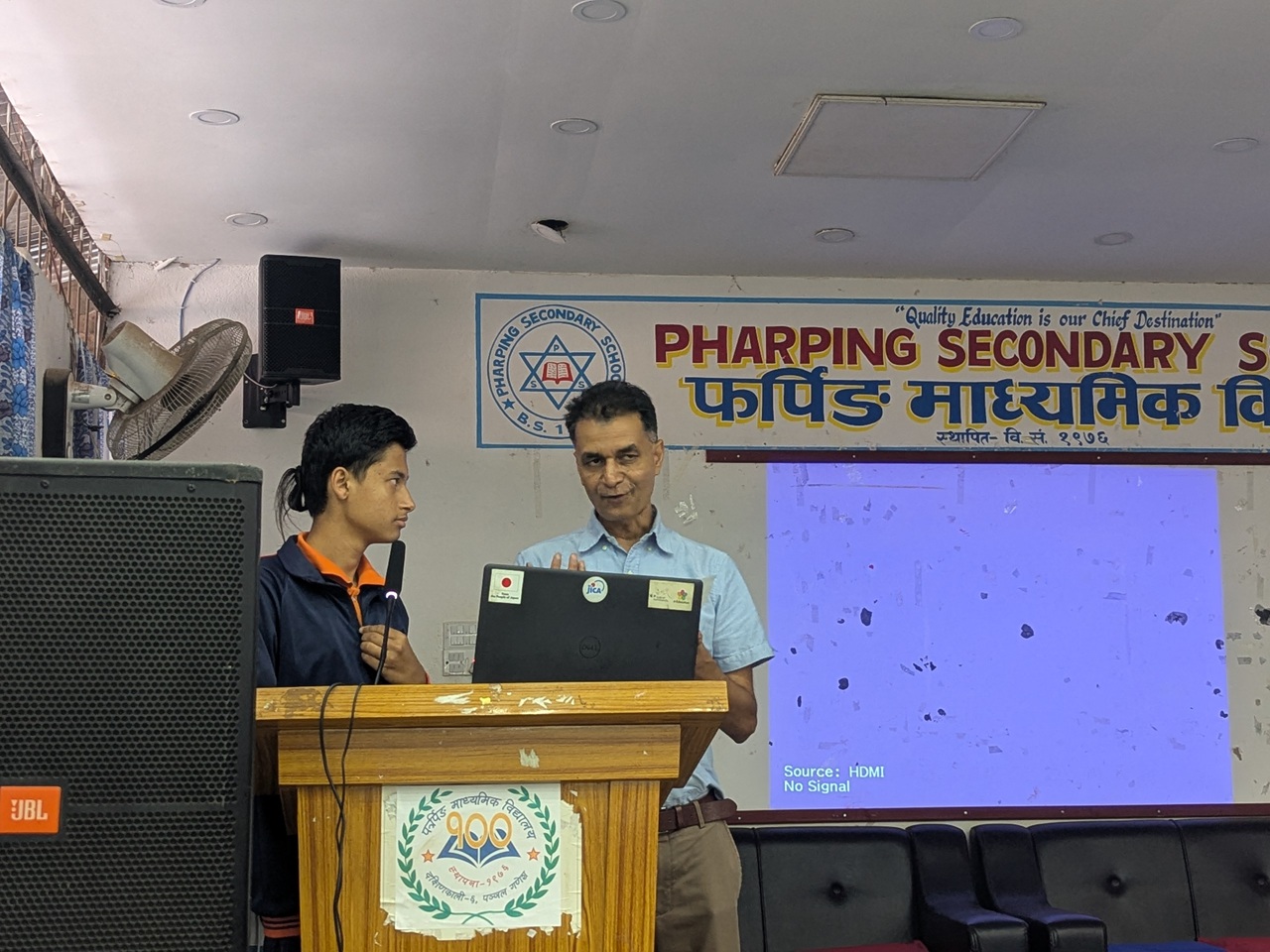
- What is Social Emotional Learning (SEL)?
Students learned about Social Emotional Learning. SEL helps us:
-
Understand our own emotions and others' emotions
-
Manage our feelings
-
Build good relationships
-
Make responsible decisions
The facilitator explained why SEL is important. It helps students understand feelings and manage stress. It improves how they talk to others. It helps build healthy relationships. And it supports making good choices.
The Five Parts of SEL
The facilitator introduced five core parts of SEL:
- Self-Awareness - Knowing and understanding our feelings like happiness, sadness, excitement, and fear
- Self-Management - Learning to manage emotions, stress, and anger
- Social Awareness - Understanding how others feel and showing empathy
- Relationship Skills - Making friends, communicating well, and solving problems
- Responsible Decision-Making - Making thoughtful and good choices in daily life
Activities for Students
Students did activities where they wrote down at least four emotions they often feel. Here is what they shared:
-
Excitement
-
Happiness
-
Hopefulness
-
Stress
-
Loneliness
-
Sadness
-
Anger
-
Fear
-
Regret
-
Boredom
-
Feeling empty
The most common feelings were stress, loneliness, sadness, anger, and fear.
At first, students said some emotions are "good" and some are "bad." But the facilitator explained that there are no good or bad emotions. All feelings are normal. What matters is how we handle them.
Students also talked about emotions related to different situations:
-
A child failing an exam: jealousy, anger, disappointment
-
A child being scolded at school: sadness, anger, helplessness
-
A child being scolded or punished at home: sadness, anger, fear, and helplessness
Common Mental Health Problems
The session covered signs that may show mental health concerns. These include:
-
Feeling sad, empty, or hopeless for a long time
-
Forgetting things often or having trouble remembering
-
Avoiding friends, family, and activities that used to be fun
Students learned that negative feelings are normal. But we should manage them in healthy ways.
Learning to Manage Stress
Students took part in activities to manage stress. They did:
-
The "Bottle Activity" where they imagined putting their worries into a bottle
-
A glitter-and-water activity to show how emotions can be unsettled but eventually calm down
-
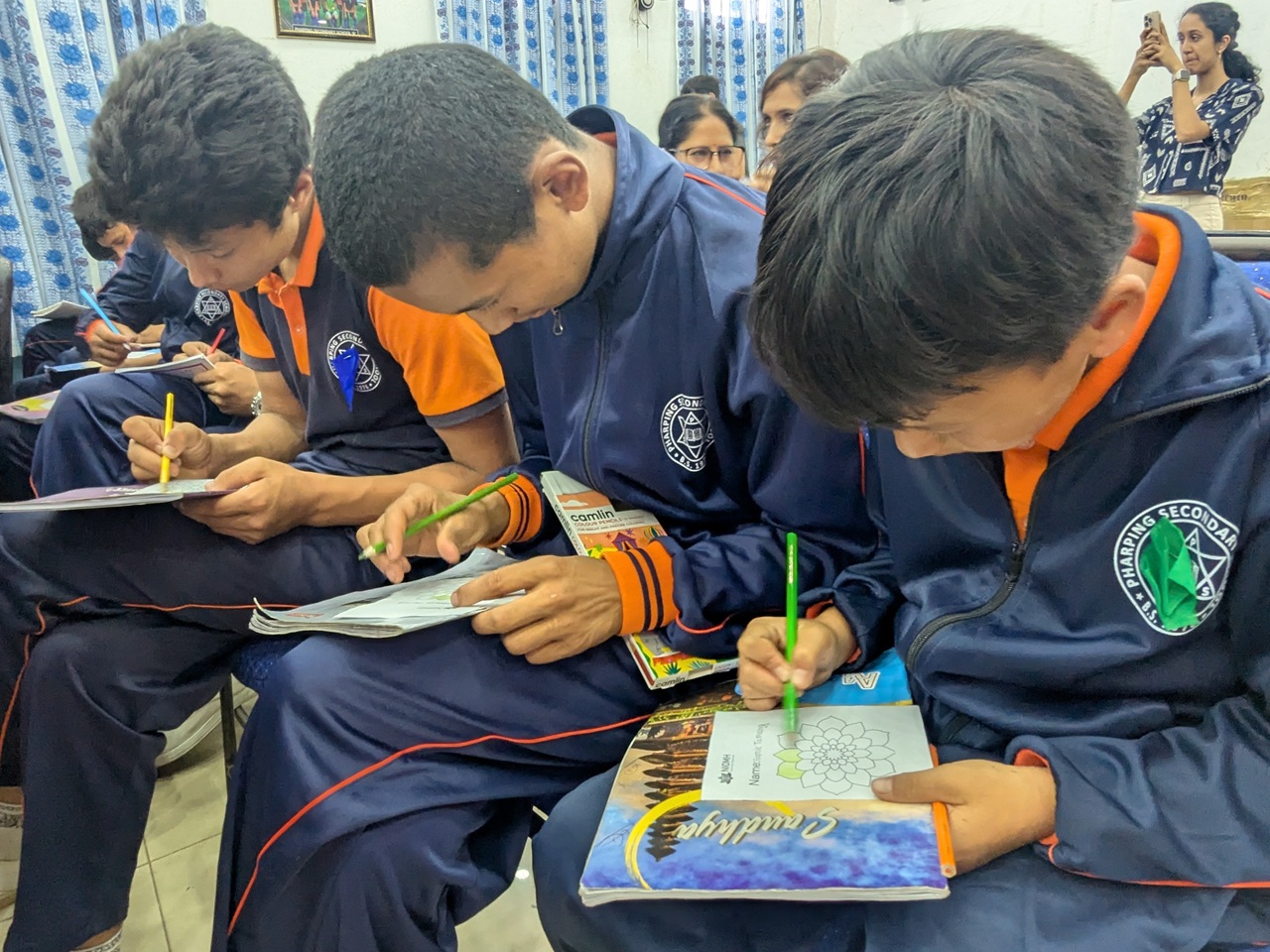
Art and mandala coloring while thinking about a stressful experience
Students shared common reasons for stress:
-
Fear of exams
-
Fear of losing friends
-
Worry about reaching school on time
Healthy and Unhealthy Coping
Students talked about healthy and unhealthy ways to cope with stress.
Healthy ways include:
-
Yoga
-
Nature walks
-
Writing in a diary
-
Art and coloring
-
Talking to someone they trust
The facilitator also explained unhealthy ways. Things like alcohol or drugs may seem to help for a short time. But they actually make mental health problems worse.
What Students Said
Students took part actively and shared their thoughts. They said they felt:
-
Happy
-
Focused
-
Excited
-
Relaxed
One student named Ishal said he always enjoyed drawing and coloring. But he did not know that art could also help manage stress and improve focus. He was happy to learn this.
When asked what they learned, students shared:
-
Mental health is important for everyone
-
It is normal to feel different emotions
-
Stress can be managed in healthy ways
-
Understanding emotions helps build better relationships
-
Good mental health is important for a happy and balanced life
Conclusion
The Mental Health and SEL session was a success. Students learned about emotions, stress management, and healthy coping. Through discussions and activities, they developed a better understanding of mental well-being. They learned skills that can help them in daily life.
The session encouraged students to express their feelings openly. They learned that it is okay to ask for help. And they learned to practice positive ways to manage their mental health.
This program is part of our commitment to the well-being of our students. We believe that when children are healthy in body and mind, they can learn better, build stronger relationships, and grow into confident young adults. This is how we build resilience—the same resilience that helped Aakriti Mahat turn a visa rejection into a successful business. When our girls face challenges, we want them to have the tools to keep going. This mental health work is a step toward that goal.

- From Afraid to Ask to Ready to Try - September 22, 2026
- New Skills for a Changing Nepal - September 22, 2026
- Building Emotional Strength: Mental Health Awareness at Pharping - July 27, 2026
- Turning Trash into Treasure - June 29, 2026
- More Than Just a Cookbook - June 29, 2026