
By Sanjita Balami
May 10, 2026
“They learned that bears can climb trees—not because someone told them at the start, but because they asked and stayed curious until the answer came.”
On a bright Sunday morning, May 10th, 49 Rukmini Foundation bahinis gathered at the Phaphing bus park around 11 AM. The meeting point was chosen for convenience—easy for everyone to reach. Each girl came prepared: a water bottle, an umbrella, and excitement of a day away from routines.
From there, they traveled by bus to the Central Zoo in Lalitpur. Board member Tina Gleisner who is visiting from the US joined them directly at the zoo. In total, 56 people participated—49 bahinis, plus mentors and staff.
No textbooks. No exams. Just tigers, monkeys, bears, rhinos, and a thousand questions.
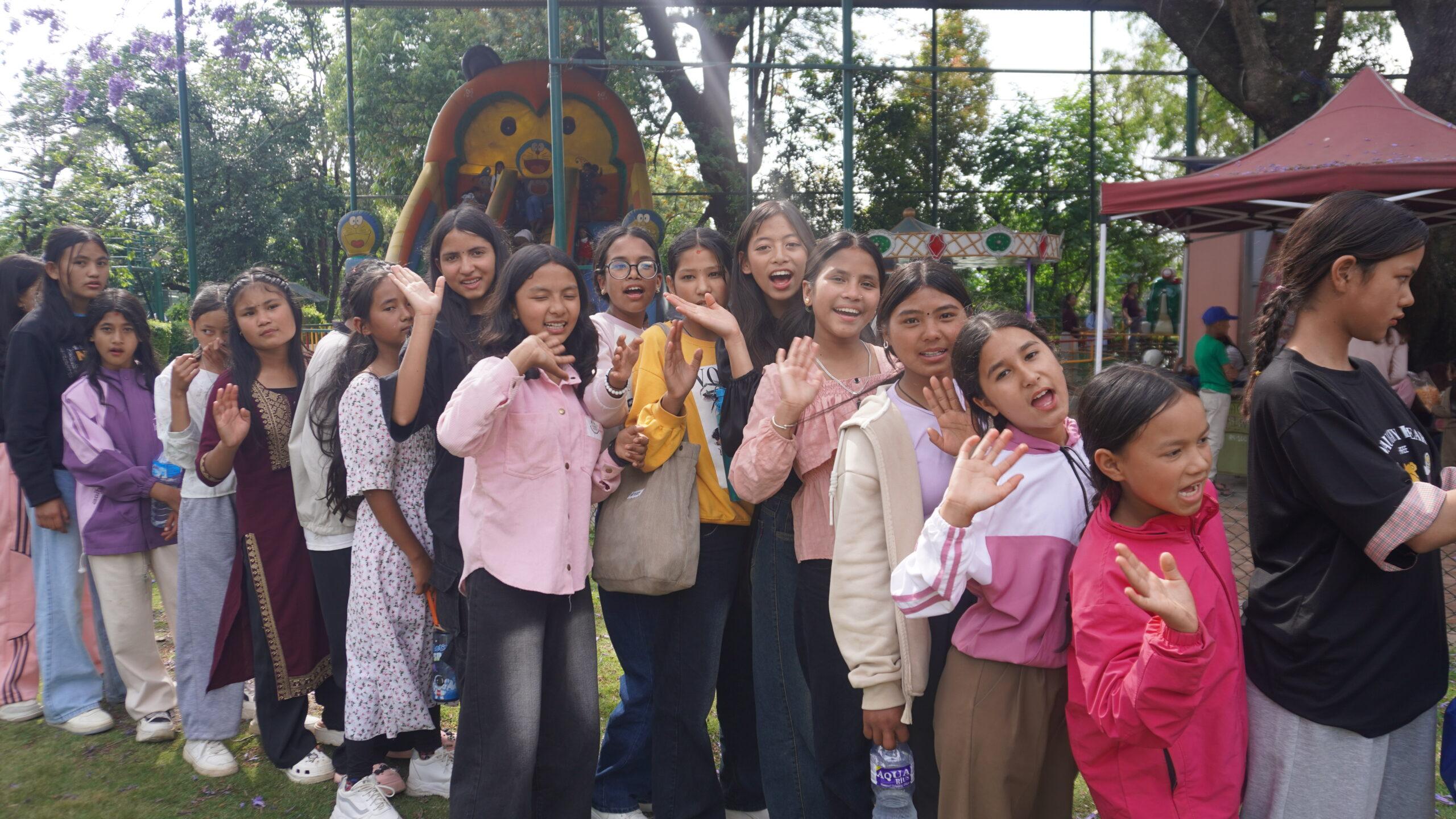
First Steps Inside: Tigers, Monkeys, and a Bear That Might Climb
Once inside, the tickets were bought, and the Bahinis poured into the zoo with clear curiosity and energy.
First stop: the tiger enclosure. They watched the big cats pace the length of their cage, counting steps, noticing the patterns on their fur. “How fast can a tiger run?” someone asked. The answer would come later—but the question was already a victory.
Next, the monkey enclosure. This was a long stop. Some monkeys swung high, some groomed each other, and some sat still, watching the Bahinis right back. The girls noticed how a few monkeys sat alone, away from the group. “Why is that one lonely?” one Bahini whispered. The mentor didn’t have an instant answer. Instead, she said: “Let’s find out together.”
That became its own kind of learning—not knowing everything, but knowing how to learn.
The deer were quieter, but they drew attention, too. Several Bahinis noticed how the fawns stayed close to their mothers. Then came the bears—pacing, scratching, occasionally standing on hind legs. “Didi, can a bear climb a tree?” Yes, they would learn later. Yes, they can.
And then the rhinos. Larger than most Bahinis had ever imagined. Standing like ancient stones, then taking slow, heavy steps. Some girls counted how many rhinos they could see. Others just stared, trying to understand the size of an animal they had only seen in textbooks.
One Bahini asked: “Do rhinos live anywhere near our village?” No, they don’t. But now she knows exactly what a rhino looks like—not a drawing, not a photo, but a living, breathing giant.
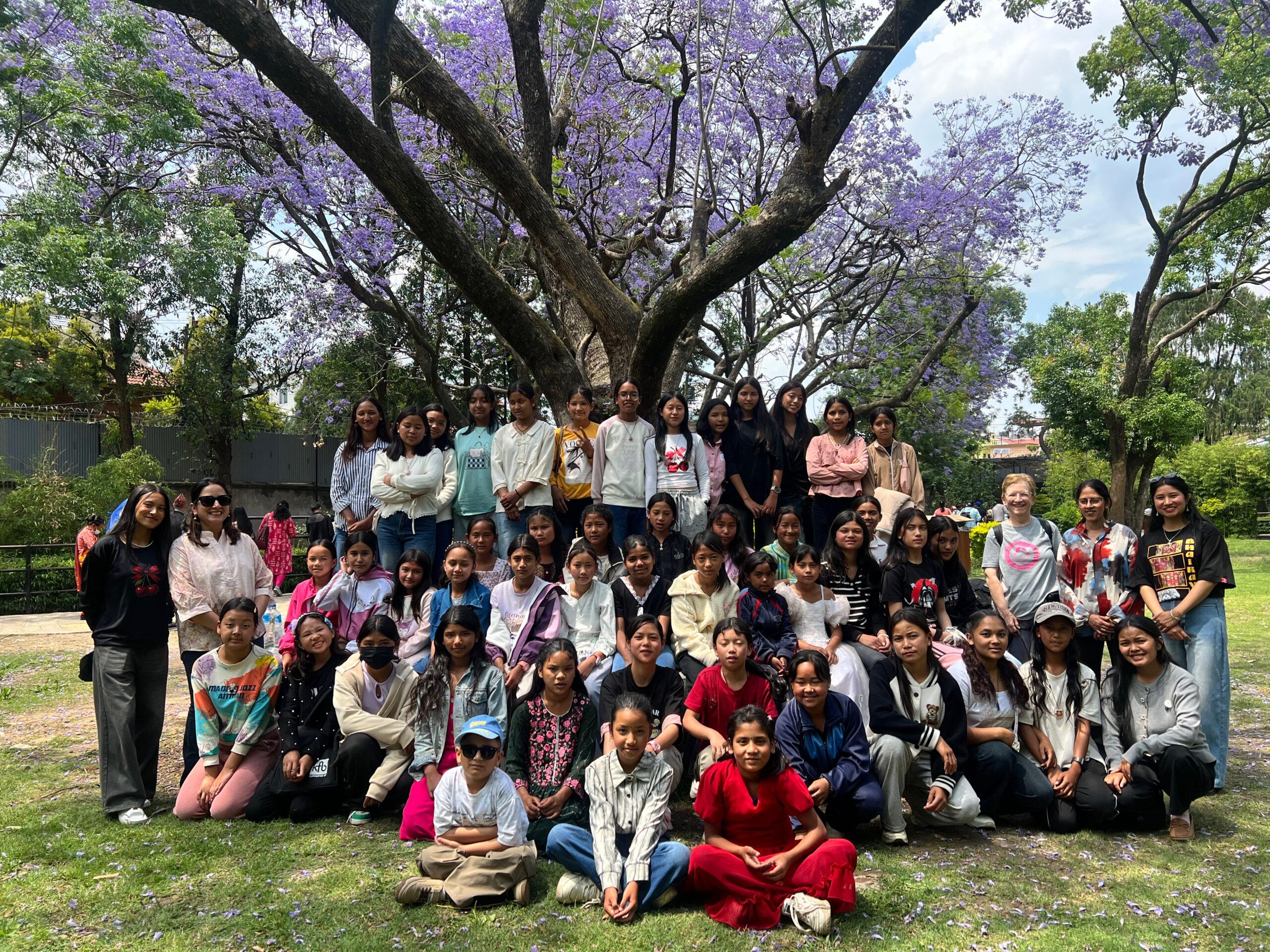
Questions, Questions, and More Questions
The questions never stopped. Here are just a few that filled the air that morning:
-
“Didi, how do they get their food here—is it the same as in the jungle?”
-
“Didi, why does that monkey sit alone?”
-
“Didi, can a tiger swim?” (Yes, they can.)
-
“Didi, what do rhinos eat all day?”
-
“Did anyone else see that monkey do that funny thing?”
Some questions had clear answers. Others stumped the mentors. But not once did a mentor pretend to know everything. Instead, they said: “Let’s find out together,” and made a mental note to look it up later.
By the end of the day, the Bahinis had their answer about the bears: yes, bears can climb trees. And they learned it not from a lecture, but from asking, waiting, and finding out together.
Fun Park, TikTok, and Uncontrollable Laughter
Not everything was serious learning. A group of Bahinis found the fun park inside the zoo grounds. There was no holding back the excitement. They ran from one activity to the next, laughing and pulling each other by the hand.
Then came the TikTok videos. The Bahinis took turns being in front of the camera, choosing songs, directing each other. It was spontaneous, loud, and pure joy.
Later, everyone stopped at the photo booth with animal prints. Some girls put their faces through the holes for a quick photo. Nearby, a separate spot with “I LOVE ZOO” written in big letters became an instant favorite. They gathered there, called their friends over, and took turns posing.
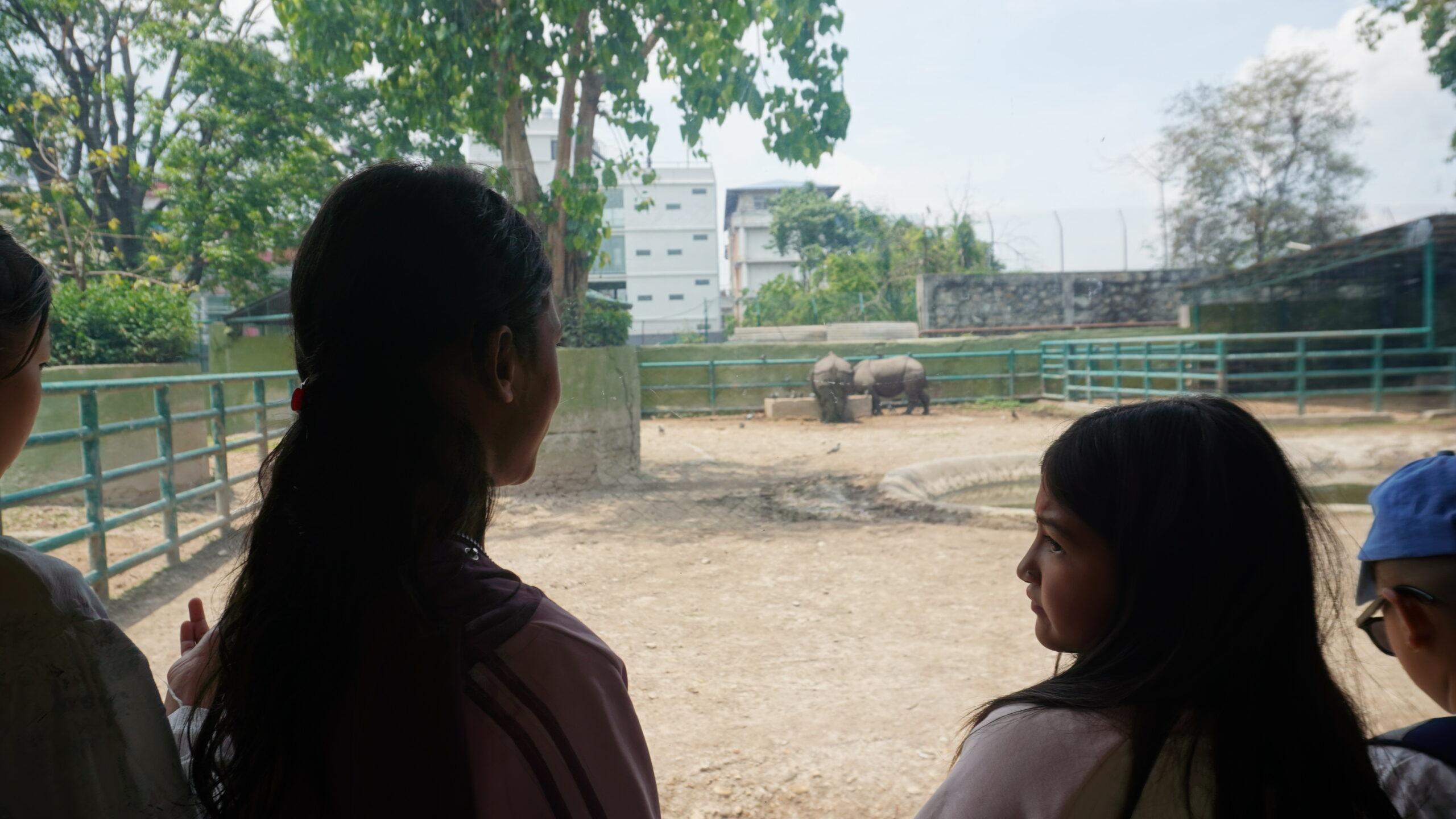
Snack Break: A Circle of Sharing
By early afternoon, everyone sat together for a snack break. They formed a circle on the ground, unpacked the food that had been provided, and shared with each other. Water bottles were passed around freely—each Bahini had brought her own, but sharing came naturally.
As they ate, they talked about the morning: which animal they liked best, who saw the tiger first, what they wanted to see again.
After the snack break, some wandered back to see a few animals again. Others found a quiet spot to sit, rest their feet, and enjoy the fresh air. A few went back to the fun park to play a little more before it was time to leave.
It was a small nature break before the walk back—a chance to pause, breathe, play, and let everything from the morning sink in.
The Ride Back: Songs, Stories, and Endless Thank Yous
The group left the zoo around 3 PM and returned by bus. The ride back was even louder than the ride there.
The Bahinis sang songs. They replayed the best moments of the day. They kept asking questions: “When can we come again? Which animal was everyone’s favorite? Did anyone else see that monkey do that funny thing?”
Thank yous were said more than once, squeezed in between laughter and off‑key singing. The bus was not quiet, and no one wanted it to be.
What They Brought Home
A group of girls left their routines for a single day. They saw animals they had only read about. They asked questions and got honest answers—or honest “let’s find out together.”
They learned that bears can climb trees, not because someone told them at the start, but because they stayed curious until the answer came.
They ran. They laughed. They made videos. They ate in a circle on the ground, sharing food and stories.
They came home tired in their bodies but full in every other way.
That was the day. That was the refreshment. That was the learning.
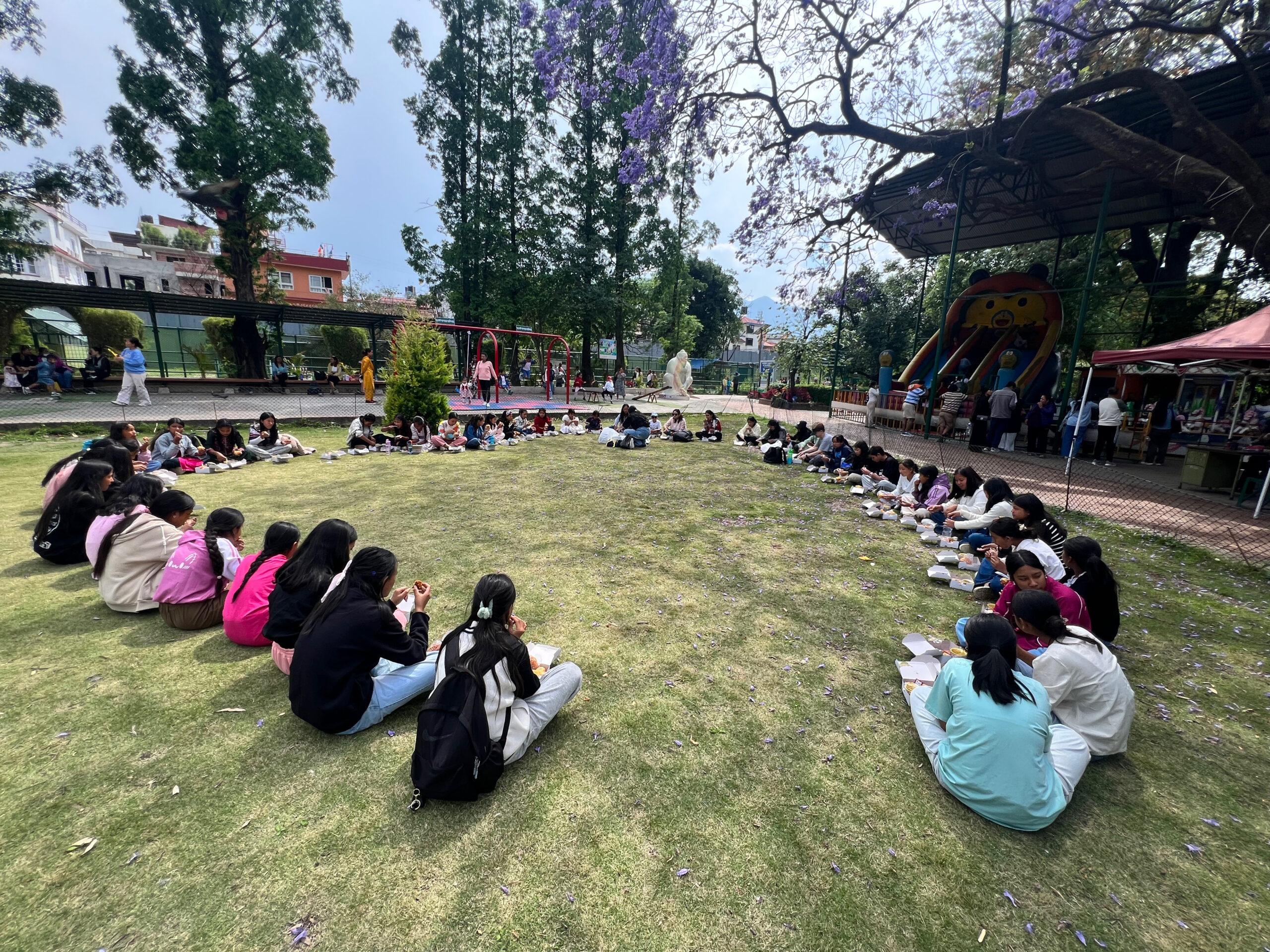
Reflections On A Special Day Thanks to Our Supporters
As I have been thinking about this field trip, I reflect on some similarities of how animals are kept in zoos. Yes, it helps to educate people about the importance of preserving nature and also helps in keeping endangered species alive. However, seeing such beautiful creatures locked up also brings a feeling of sadness that they do not have their natural habitat for roaming free. Similarly, we keep our kids in schools for long days with strict routines, but days like this showed us that there are different ways to learn. Learning through experience, learning from playing, and learning from interacting with your peers. We loved being able to set our students free from their school routines for a day.
This trip was made possible by the generosity of our supporters—people who believe that learning happens not just in classrooms, but in the wonder of a rhino’s slow step, the thrill of a monkey’s swing, and the safety of a circle of friends sharing snacks.
Thank you for giving our Bahinis a day they will never forget.
📸 See more photos from the zoo visit → Flickr Album
💝 Support more educational outings → Donate
Sanjita

- “Didi, Can a Tiger Swim?”: A Day at the Central Zoo with 49 Curious Bahinis - May 31, 2026
- From the Back of the Room to the Center of the Stage: Our GLOW Clubs Shine at a UNESCO Science Fair - April 26, 2026
- A Daughter’s Courage: Sonima Tamang’s Story - March 28, 2026
- Equipping Educators: How Mental Health Training is Transforming Classrooms in Nepal - January 27, 2026
- Cultivating Change: Economic Empowerment Through Organic Farming in Pharping - August 30, 2025