Reported by Sirjana Waiba
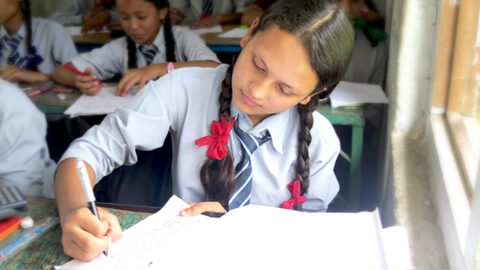
In Nepal's school system, students who do not meet the minimum standard in a subject receive an NG, which stands for Non-Graded. It is essentially a failing mark. It means the student has not passed.
After the first terminal exams this year, some of our Bahinis received NG results in one or more subjects. Others did not do as well as they had hoped.
We could have simply told them to study harder. But that would not help anyone. We needed to understand what was actually going on.
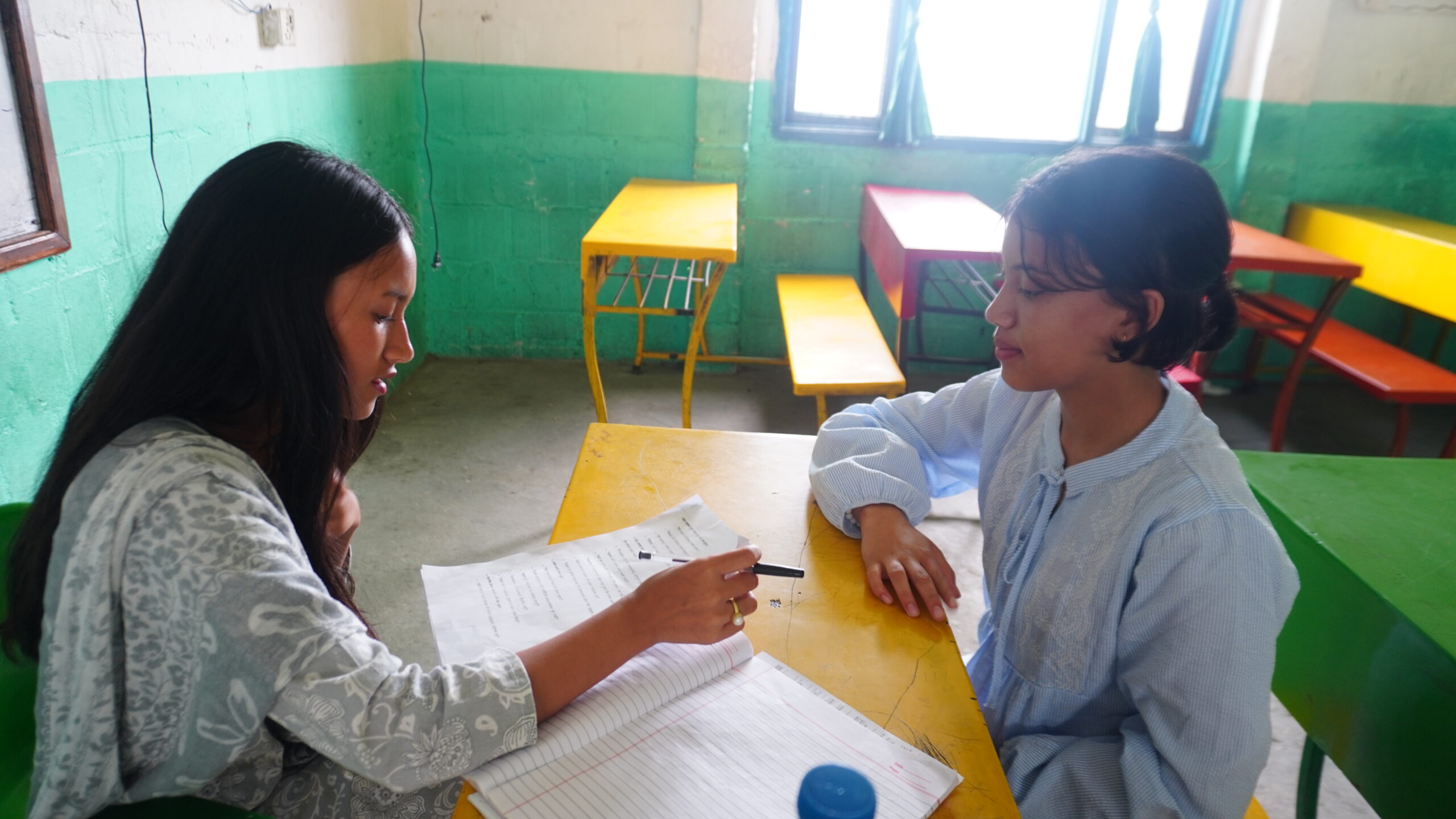
So on August 16, we sat down with them. Twenty-two Bahinis and Didis gathered at Shikharapur Balcony Hall for an Individual Mentoring Program. The plan was simple. Listen first, then help.
What We Wanted to Find Out
Our objectives for the day were:
-
To meet and interact with the Bahinis
-
To find out what was affecting their academic performance
-
To understand the challenges they face in their studies
-
To provide feedback, guidance, and encouragement
-
To develop plans and solutions to address their challenges
-
To promote healthy habits, time management, and responsible mobile phone use
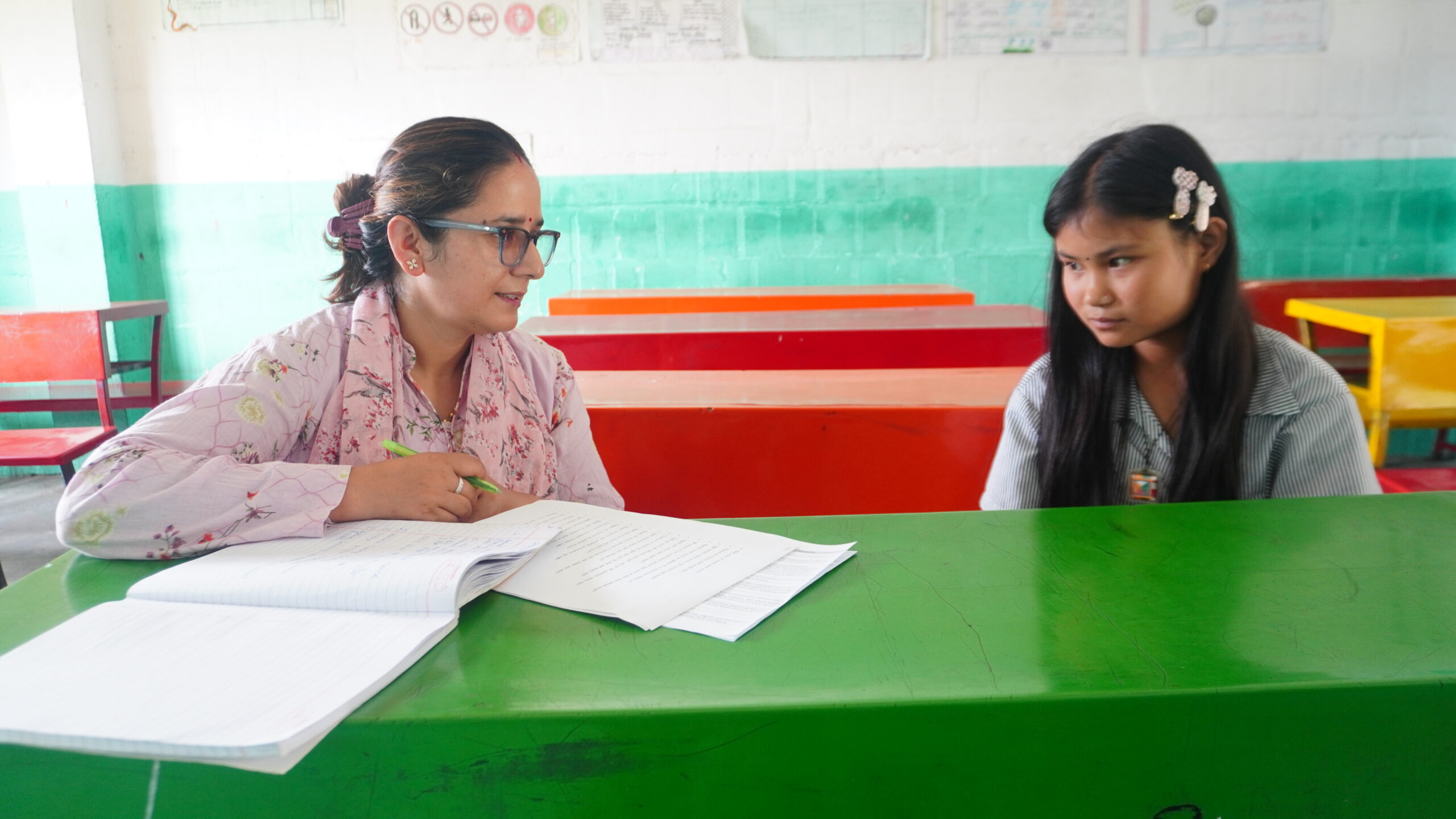
Usha Didi welcomed everyone and encouraged the Bahinis to speak openly. Then Yojana, Usha, Sabina, and Dipa took the girls into separate rooms for one on one sessions. Each Didi used a set of questions to understand each girl's study habits and difficulties.
While the individual sessions were happening, I stayed with the other Bahinis and led awareness activities.
What the Girls Told Us
Every girl had a different story. But a few common challenges came up again and again.
There is not enough time. Many girls do household work before and after school. Fursang Tamang takes care of chickens and does farm work. If she does not do it, her father scolds and beats her. Ishika Lama washes dishes and clothes at home. Resuka Waiba walks an hour and a half each way to school, leaving home at 7:45 in the morning and getting back around 5:30 in the evening.
They do not understand what is taught in class. Radhika Pakhrin, Lalita Lama, and Ranjita Tamang all said the same thing. They fall behind, and then they lose interest.
They are afraid to ask questions. Resuka feels shy. Rashmi Ghising worries about being scolded by teachers. Ranjita lacks the confidence to speak up. Several girls asked us for one thing: "Please talk to our teachers."
They feel scared about their results. When Usha Didi asked how they felt, many said scared and unhappy. Some were afraid their parents would scold them. Others were worried about what we would say.
Some simply did not study enough. Diwanshi Ghalan admitted she spent most of her time playing with friends. Kavya Thapa said she did not prepare in time. Lalita said she had not been paying attention to her studies.
What Changed by the End of the Day
The girls did not leave with the same mindset they came in with.
Fursang realized that studying only before exams is not enough. She promised to study one to two hours every day and to ask her friends, sisters, and favorite teachers when she does not understand something.
Resuka decided to use her school holidays to prepare notes and study Math and Science through YouTube lessons.
Ranjita joined tuition classes at her school, where she feels more comfortable asking questions. She committed to finishing her homework regularly.
Rashmi's mother agreed to come home to support her and give her more time to study.
Ishika, Lalita, and Kavya all said they will make proper study routines and prepare well in advance.
And Sneha Ghale, who got a B+, set her sights higher. She wants an A+ next time. She is working toward it in memory of her late grandfather.
What We Taught Alongside the Mentoring
While the one on one sessions were going on, I worked with the other girls on three things.
Mobile phone addiction. I showed a video about a child who became so addicted to her phone that she stole a friend's mother's phone. The girls then worked in pairs to come up with practical ways to cut down on phone use. Their ideas included reading books, turning off unnecessary notifications, deleting unused apps, helping parents with housework, and making a timetable.
Time management. I explained how a daily routine helps balance study, chores, rest, and recreation. Each girl then made her own schedule. Sneha Ghale shared hers, which starts at 6:00 a.m. and ends with bedtime at 7:30 p.m.
Healthy habits. We watched a video on nutrition, water intake, sleep, hygiene, physical activity, and reading. Ishita Lama said afterward, "I learned that we need to develop healthy habits. We should avoid junk food, develop a reading habit, and drink an adequate amount of water."
Reported by Sirjana Waiba
In Nepal's school system, students who do not meet the minimum standard in a subject receive an NG, which stands for Non-Graded. It is essentially a failing mark. It means the student has not passed.
After the first terminal exams this year, some of our Bahinis received NG results in one or more subjects. Others did not do as well as they had hoped.
We could have simply told them to study harder. But that would not help anyone. We needed to understand what was actually going on.
So on August 16, we sat down with them. Twenty-two Bahinis and Didis gathered at Shikharapur Balcony Hall for an Individual Mentoring Program. The plan was simple. Listen first, then help.
What We Wanted to Find Out
Our objectives for the day were:
-
To meet and interact with the Bahinis
-
To find out what was affecting their academic performance
-
To understand the challenges they face in their studies
-
To provide feedback, guidance, and encouragement
-
To develop plans and solutions to address their challenges
-
To promote healthy habits, time management, and responsible mobile phone use
Usha Didi welcomed everyone and encouraged the Bahinis to speak openly. Then Yojana, Usha, Sabina, and Dipa took the girls into separate rooms for one on one sessions. Each Didi used a set of questions to understand each girl's study habits and difficulties.
While the individual sessions were happening, I stayed with the other Bahinis and led awareness activities.
What the Girls Told Us
Every girl had a different story. But a few common challenges came up again and again.
There is not enough time. Many girls do household work before and after school. Fursang Tamang takes care of chickens and does farm work. If she does not do it, her father scolds and beats her. Ishika Lama washes dishes and clothes at home. Resuka Waiba walks an hour and a half each way to school, leaving home at 7:45 in the morning and getting back around 5:30 in the evening.
They do not understand what is taught in class. Radhika Pakhrin, Lalita Lama, and Ranjita Tamang all said the same thing. They fall behind, and then they lose interest.
They are afraid to ask questions. Resuka feels shy. Rashmi Ghising worries about being scolded by teachers. Ranjita lacks the confidence to speak up. Several girls asked us for one thing: "Please talk to our teachers."
They feel scared about their results. When Usha Didi asked how they felt, many said scared and unhappy. Some were afraid their parents would scold them. Others were worried about what we would say.
Some simply did not study enough. Diwanshi Ghalan admitted she spent most of her time playing with friends. Kavya Thapa said she did not prepare in time. Lalita said she had not been paying attention to her studies.
What Changed by the End of the Day
The girls did not leave with the same mindset they came in with.
Fursang realized that studying only before exams is not enough. She promised to study one to two hours every day and to ask her friends, sisters, and favorite teachers when she does not understand something.
Resuka decided to use her school holidays to prepare notes and study Math and Science through YouTube lessons.
Ranjita joined tuition classes at her school, where she feels more comfortable asking questions. She committed to finishing her homework regularly.
Rashmi's mother agreed to come home to support her and give her more time to study.
Ishika, Lalita, and Kavya all said they will make proper study routines and prepare well in advance.
And Sneha Ghale, who got a B+, set her sights higher. She wants an A+ next time. She is working toward it in memory of her late grandfather.
What We Taught Alongside the Mentoring
While the one on one sessions were going on, I worked with the other girls on three things.
Mobile phone addiction. I showed a video about a child who became so addicted to her phone that she stole a friend's mother's phone. The girls then worked in pairs to come up with practical ways to cut down on phone use. Their ideas included reading books, turning off unnecessary notifications, deleting unused apps, helping parents with housework, and making a timetable.
Time management. I explained how a daily routine helps balance study, chores, rest, and recreation. Each girl then made her own schedule. Sneha Ghale shared hers, which starts at 6:00 a.m. and ends with bedtime at 7:30 p.m.
Healthy habits. We watched a video on nutrition, water intake, sleep, hygiene, physical activity, and reading. Ishita Lama said afterward, "I learned that we need to develop healthy habits. We should avoid junk food, develop a reading habit, and drink an adequate amount of water."
What the Didis Saw
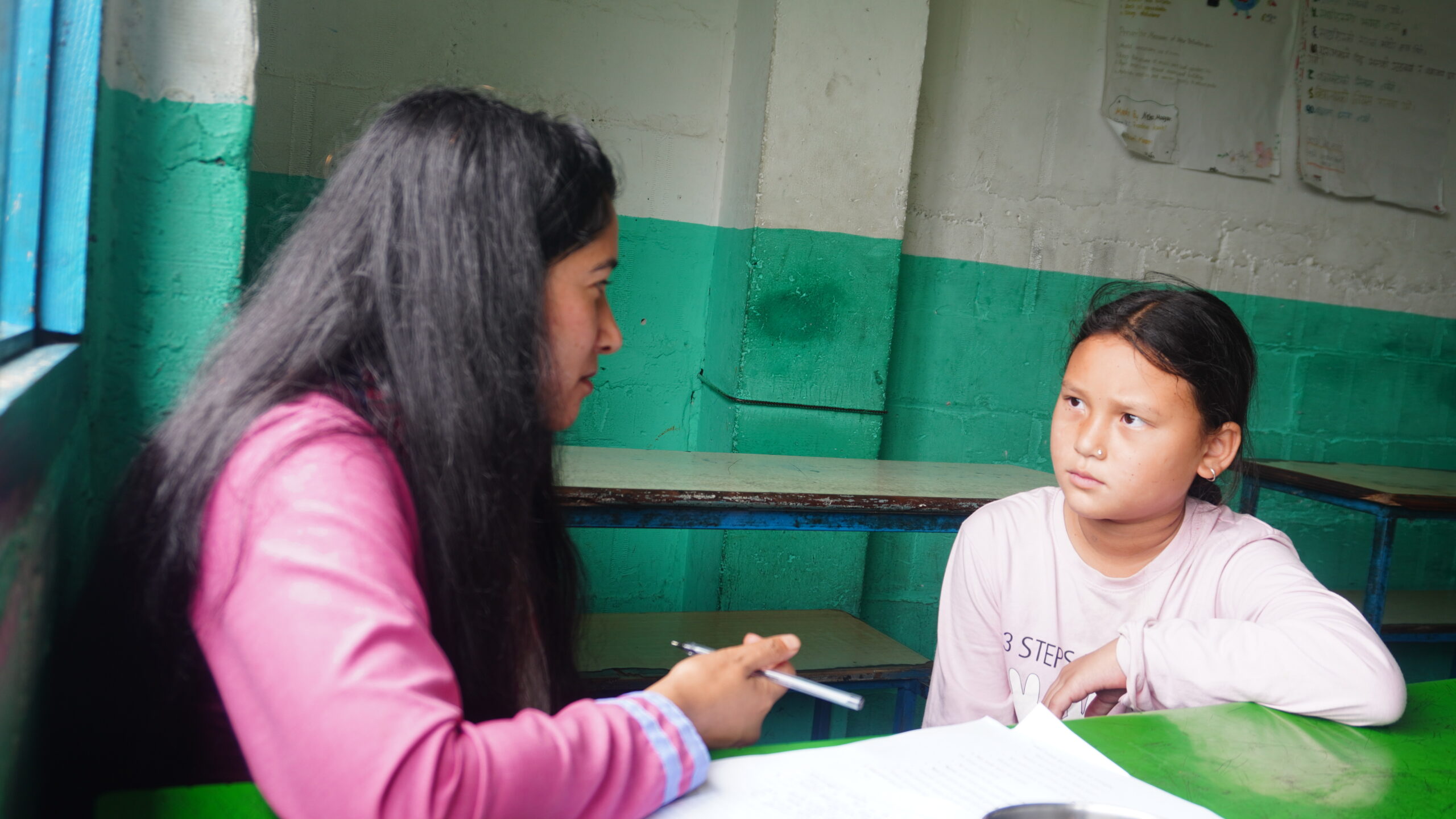
Sabina Didi mentored Fursang, Diwanshi, and Radhika. She said all three regretted their results and promised to improve. She was glad they trusted her enough to share personal things about their families, teachers, and friends.
Dipa Didi mentored Resuka, Ranjita, Sneha, Rashmi, and Sara. She saw that each girl faced something different, whether it was a long commute, no support at home, or nervousness during exams.
Usha Didi noticed something important. Some of our Bahinis are losing confidence. They are afraid to ask questions in class. She said we need to look beyond the exam results and understand the reasons behind them. Her suggestion was to meet with the school teachers so we can work together.
More Than Grades
The grades matter. But they are not the whole point.
What we really want is for our Bahinis to develop a different way of thinking. We want them to ask questions when they do not understand. To stay curious. To try things even when they might fail, and to learn from it when they do. One of our core values says it plainly. We are not afraid of failing, because that is how we learn and grow.
Some of these girls had stopped asking questions in class. They were afraid of being scolded. They were afraid of looking foolish in front of their friends. Over time, they stopped trying.
That is what we are working to change. Not just to raise a mark from NG to B, but to help a girl raise her hand again. To help her say, "I do not understand this" without fear. To help her see a hard subject as something she can learn instead of something that proves she is not smart.
A better grade is a result. A better mindset is what makes it last.
The Results So Far
Across our three target schools, students with measurable baseline GPAs improved from 2.90 to 3.24 on average. That is a +0.35 gain. Eleven students moved from NG to B or B+ grades.
These numbers tell us the academic support is working. But the conversations told us something more. Girls who came in scared and quiet left with plans. They left knowing that the Didis are on their side, that asking for help is not a weakness, and that a bad result is not the end of their story.
That is the change we are after.
What Comes Next
We will keep working with these girls. We will meet with their teachers to discuss how the school and Rukmini Foundation can support them together. And we will keep encouraging them, because confidence does not come back overnight.
Small changes add up. That is how our Bahinis will get where they want to go.
Reported by Sirjana Waiba
What the Didis Saw
Sabina Didi mentored Fursang, Diwanshi, and Radhika. She said all three regretted their results and promised to improve. She was glad they trusted her enough to share personal things about their families, teachers, and friends.
Dipa Didi mentored Resuka, Ranjita, Sneha, Rashmi, and Sara. She saw that each girl faced something different, whether it was a long commute, no support at home, or nervousness during exams.
Usha Didi noticed something important. Some of our Bahinis are losing confidence. They are afraid to ask questions in class. She said we need to look beyond the exam results and understand the reasons behind them. Her suggestion was to meet with the school teachers so we can work together.
More Than Grades
The grades matter. But they are not the whole point.
What we really want is for our Bahinis to develop a different way of thinking. We want them to ask questions when they do not understand. To stay curious. To try things even when they might fail, and to learn from it when they do. One of our core values says it plainly. We are not afraid of failing, because that is how we learn and grow.
Some of these girls had stopped asking questions in class. They were afraid of being scolded. They were afraid of looking foolish in front of their friends. Over time, they stopped trying.
That is what we are working to change. Not just to raise a mark from NG to B, but to help a girl raise her hand again. To help her say, "I do not understand this" without fear. To help her see a hard subject as something she can learn instead of something that proves she is not smart.
A better grade is a result. A better mindset is what makes it last.
The Results So Far
Across our three target schools, students with measurable baseline GPAs improved from 2.90 to 3.24 on average. That is a +0.35 gain. Eleven students moved from NG to B or B+ grades.
These numbers tell us the academic support is working. But the conversations told us something more. Girls who came in scared and quiet left with plans. They left knowing that the Didis are on their side, that asking for help is not a weakness, and that a bad result is not the end of their story.
That is the change we are after.
What Comes Next
We will keep working with these girls. We will meet with their teachers to discuss how the school and Rukmini Foundation can support them together. And we will keep encouraging them, because confidence does not come back overnight.
Small changes add up. That is how our Bahinis will get where they want to go.
Reported by Sirjana Waiba

- From Afraid to Ask to Ready to Try - September 22, 2026
- New Skills for a Changing Nepal - September 22, 2026
- Building Emotional Strength: Mental Health Awareness at Pharping - July 27, 2026
- Turning Trash into Treasure - June 29, 2026
- More Than Just a Cookbook - June 29, 2026