By the Rukmini Foundation Team
On June 2 and 3, something special happened in our community. Five women gathered in a kitchen to cook. But this was not just any cooking program. This was the beginning of something that will preserve our culture, empower our women, and support our mission for years to come.
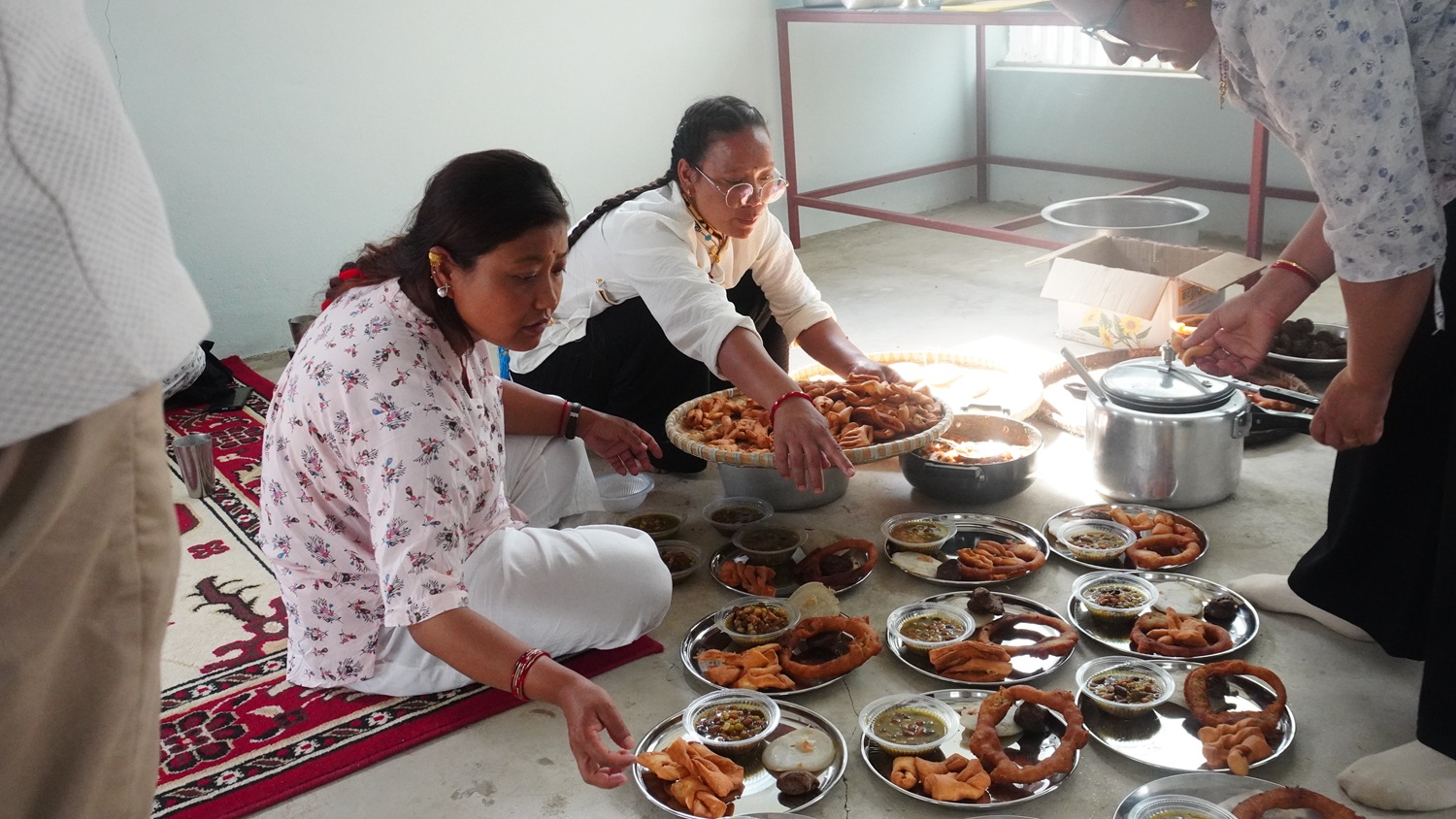
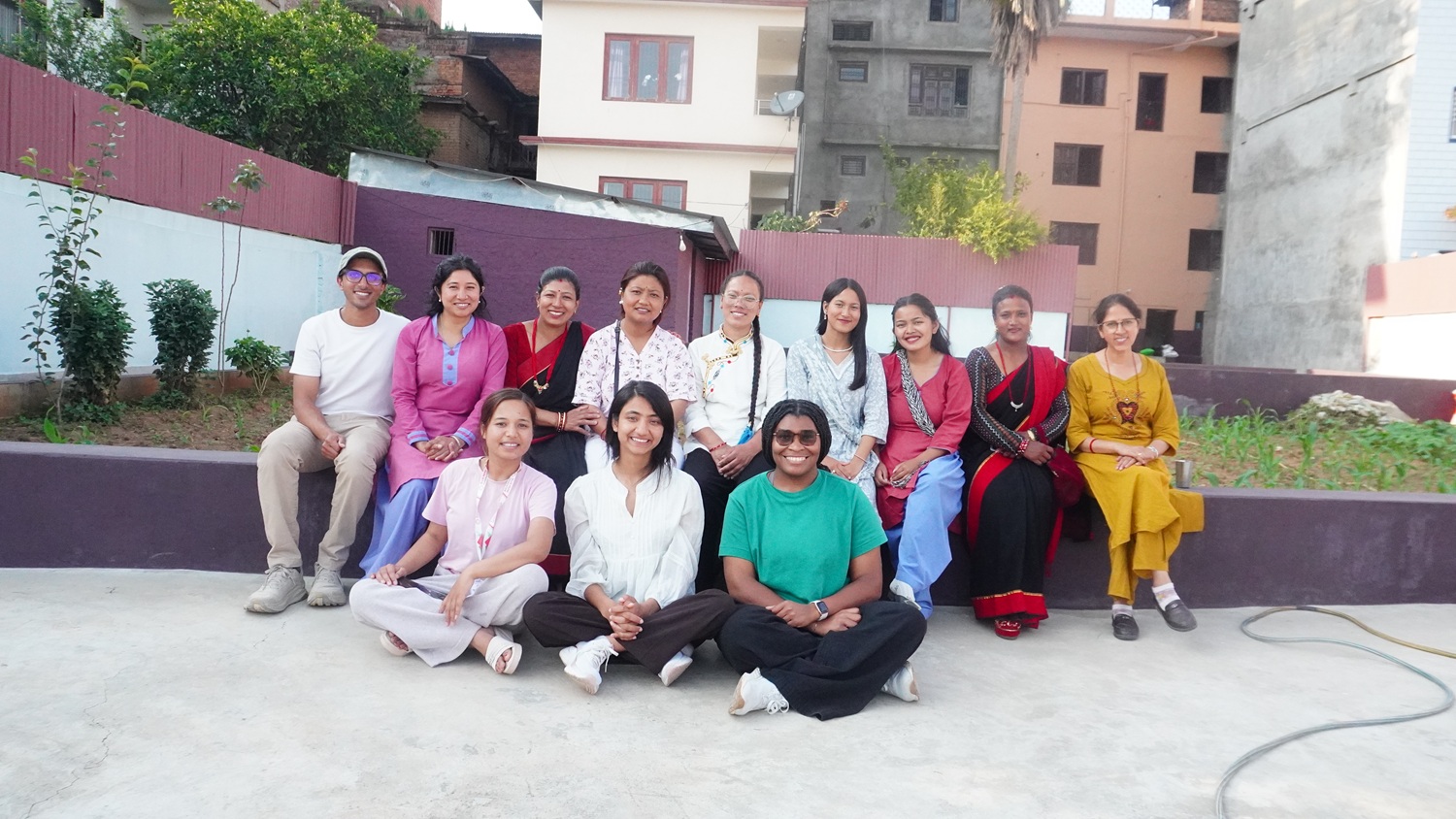
Geeta Balami, Sushma Ghising, Laxmi Tamang, Krishna Maya Balami, and Geeta Amatya came together to document traditional Nepali recipes for a cookbook. Over two days, they prepared dish after dish—Yomari, Chatamari, Bara, Sel Roti, Khapse, Dhido, Kwati, and many more.
The idea for this cookbook came from Thayjas Patil, a former board member of Rukmini Foundation. He visited us recently and saw an opportunity. He knew that the recipes our mothers and grandmothers have been cooking for generations are more than just food. They are stories. They are identity. They are culture.
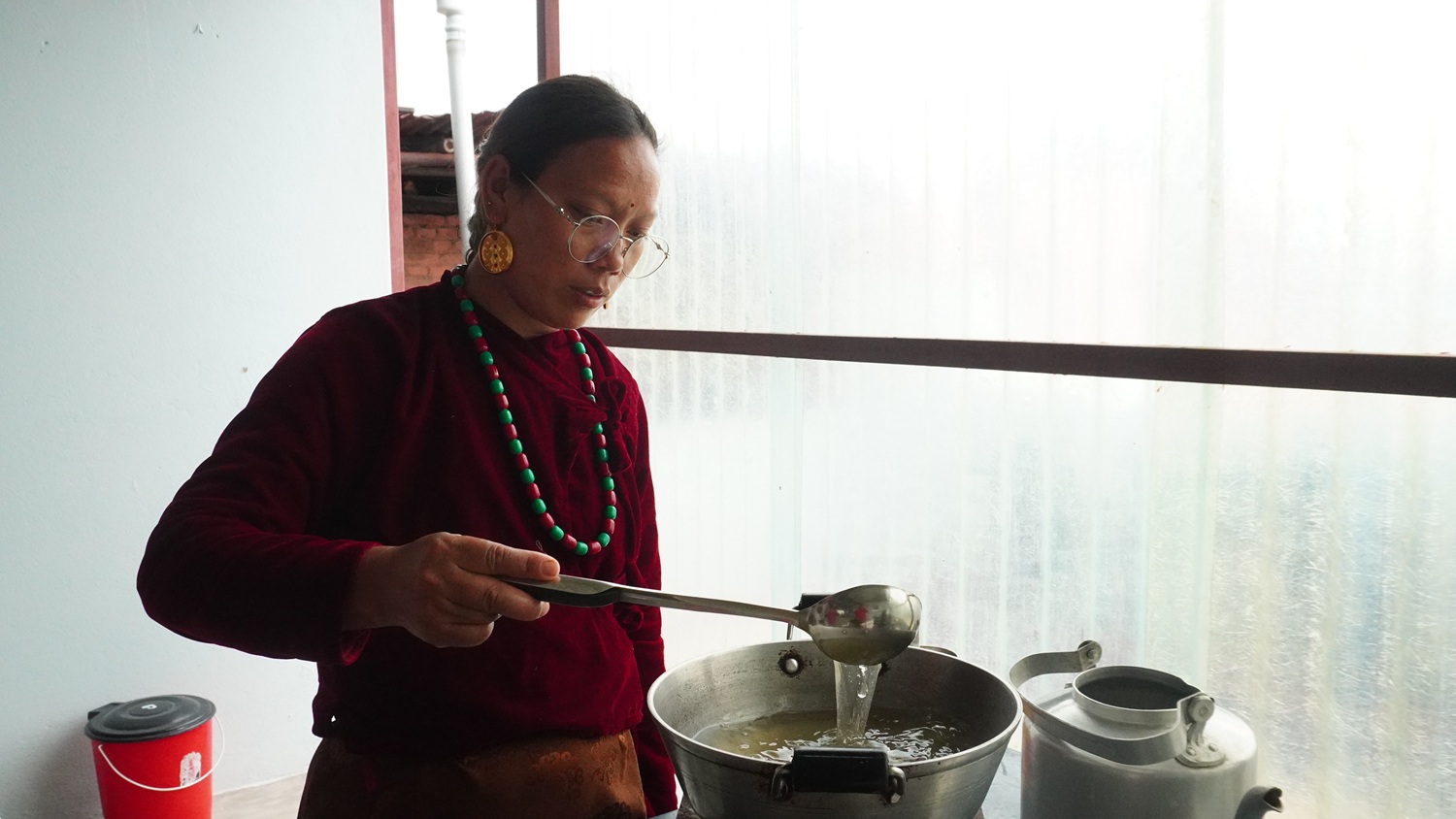
So Thayjas sat with these women. He watched them knead dough, grind spices, and fry Sel Roti in hot oil. He asked them questions and listened to their stories. And he understood something important—these women are not just cooking. They are preserving a way of life.
Women Who Know Their Kitchen
What struck me most was how comfortable these women were in their element. Cooking is not something they learned from a book. It is something they learned from their mothers, grandmothers, and aunties. It is in their hands and in their hearts.
When they made Yomari, they shaped the dough into perfect cones without measuring. When they fried Khapse, they knew exactly when it was golden and crisp. When they mixed the batter for Sel Roti, they knew the right consistency by feel, not by measurement.
This is not skill you learn in a classroom. This is skill you learn by doing, by watching, by growing up in a kitchen that smells of spices and love.
What We Learned
Over the two days, we documented recipes for dishes that many young people today do not know how to make. We recorded the ingredients and the steps. We photographed the process. We captured the women's stories.
We learned that Yomari is not just a dumpling—it is a symbol of gratitude during the harvest festival. We learned that Kwati is not just a soup—it is a health ritual prepared during Janai Purnima to restore energy after the monsoon. We learned that food is never just food. It is memory. It is meaning.
What This Cookbook Will Do
When we publish this cookbook, it will do many things.
First, it will preserve these recipes so they are not lost. Our children and grandchildren will be able to open this book and make the same dishes their great-grandmothers made.
Second, it will promote Nepali food and culture internationally. The world should know about the richness of our cuisine—the flavors, the techniques, the stories behind every dish.
Third, and very importantly, the money from cookbook sales will support the programs and activities of Rukmini Foundation. Every book sold will help us continue our work—educating girls, supporting health programs, and empowering communities.
A Big Thank You
To Thayjas Patil: thank you for seeing this opportunity and bringing it to life. Your vision will help preserve our culture and support our mission for years to come.
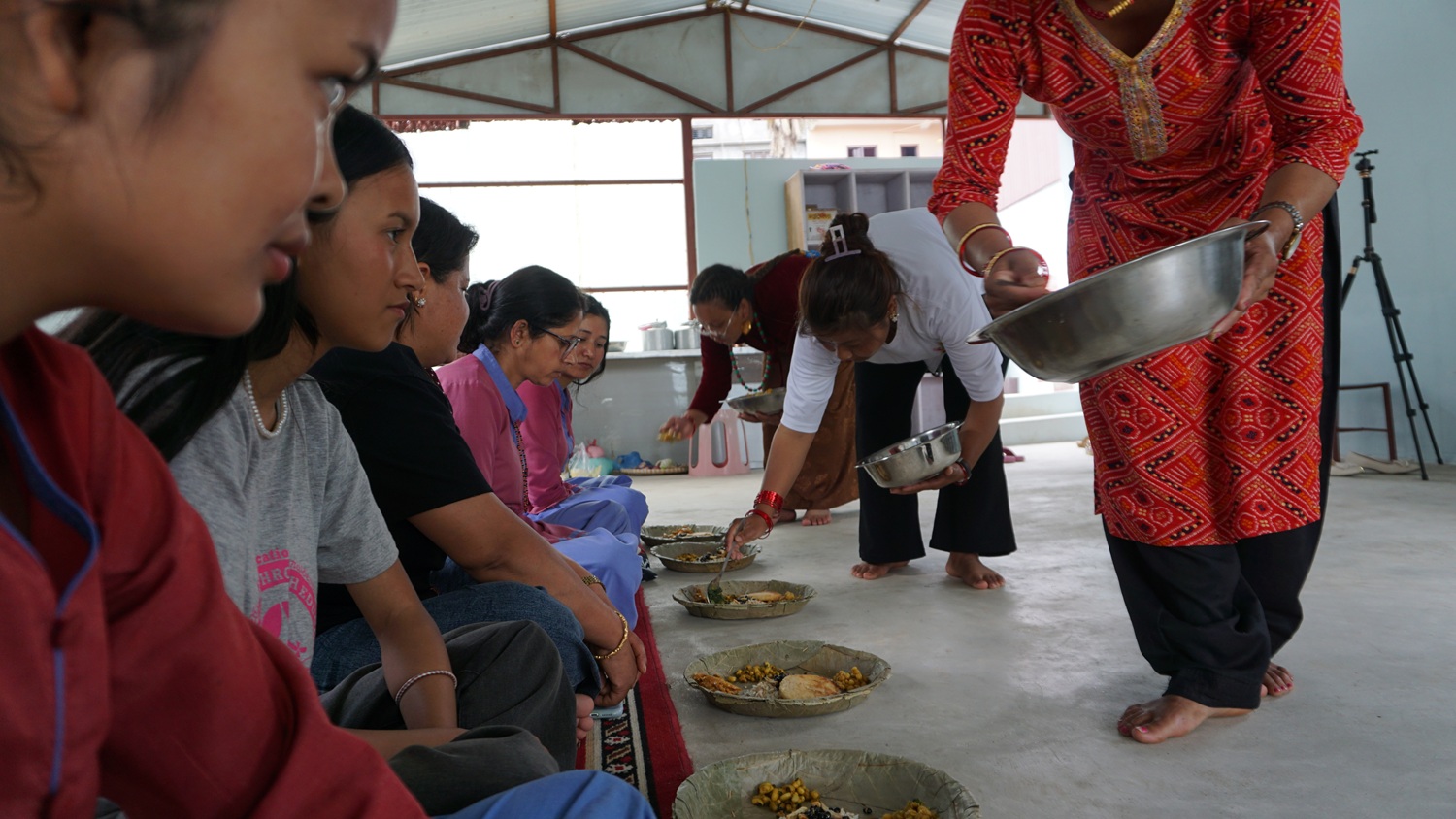
To the five women who cooked with us: thank you for sharing your skills, your stories, and your hearts. You are the keepers of our culture.
And to our supporters: thank you for making this possible. When you buy this cookbook, you are not just buying recipes. You are buying a piece of Nepal. You are supporting our women. And you are helping us build a stronger future.
Stay Tuned
The cookbook is coming soon. We will share more details when it is ready. We hope you will be as excited as we are.
Until then, we will keep cooking, keep preserving, and keep building.
With gratitude,
The Rukmini Foundation Team

- From Afraid to Ask to Ready to Try - September 22, 2026
- New Skills for a Changing Nepal - September 22, 2026
- Building Emotional Strength: Mental Health Awareness at Pharping - July 27, 2026
- Turning Trash into Treasure - June 29, 2026
- More Than Just a Cookbook - June 29, 2026