
Rukmini Foundation | Pharping, Kathmandu, Nepal
Rukmini Foundation is dedicated to empowering girls and strengthening communities through quality education, health and wellness, mentoring, and holistic support programs. The Foundation works in close partnership with schools, educators, and community stakeholders across multiple regions, implementing long-term, community-based initiatives guided by the principles of Responsibility, Upliftment, Knowledge, Understanding, and Unity (RUKU).
Mental health remains an under-recognized yet deeply impactful challenge in many communities, particularly in rural contexts where stigma, limited awareness, and restricted access to support systems persist. Children and adolescents are especially vulnerable, and schools often become the first space where emotional distress is observed.
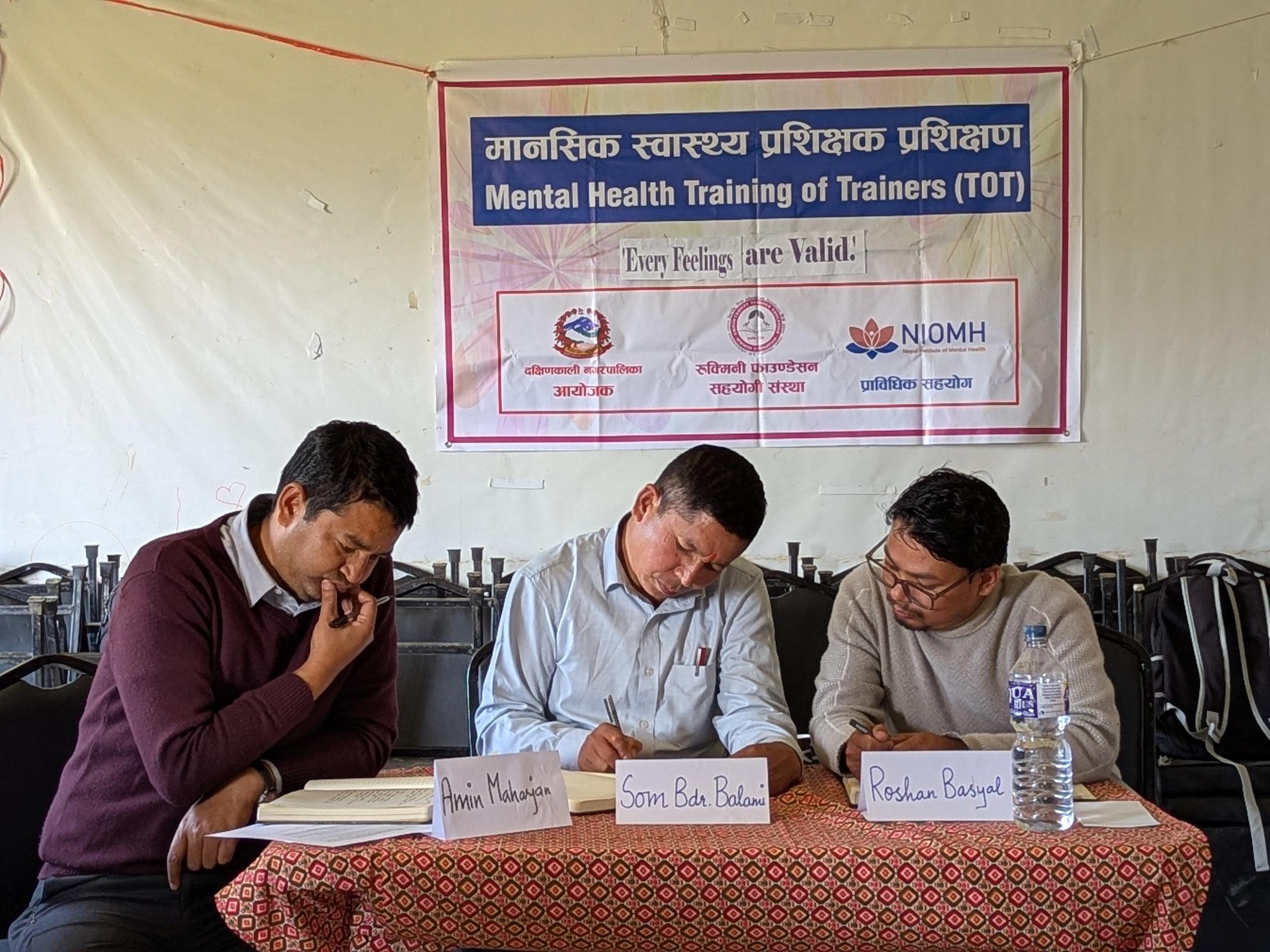
“Teachers engaging in a discussion on key learnings from the training session.”
To address this gap within its education initiatives, Rukmini Foundation implemented a Mental Health Training Program for Teachers, focused on building foundational knowledge, practical skills, and a supportive mindset among educators who interact with children on a daily basis.
Program Purpose and Design
Teachers play a critical role in school communities and are often the first to notice emotional or behavioral changes in students. Recognizing this, the Foundation designed the training as a progressive, context-appropriate professional development program, rather than a single awareness session.
Delivered over multiple months, the program allowed teachers to engage with mental health concepts gradually, reflect on classroom experiences, practice new approaches, and apply learning within real school settings. This approach strengthened not only awareness, but also practical and responsible application.
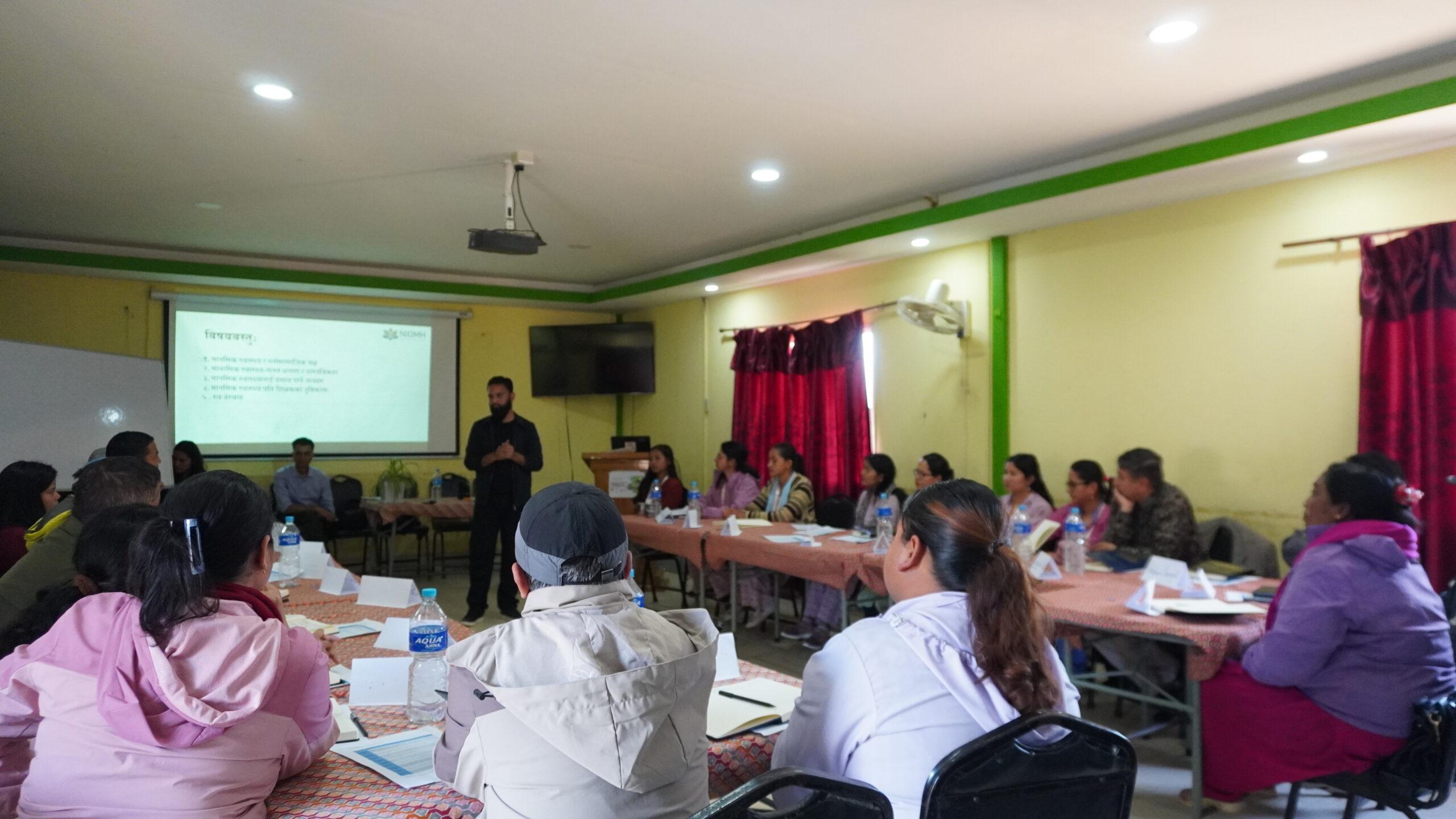
“Facilitator leading a training session for teachers on mental health awareness.”
Key Focus Areas
Mental Health Awareness and Stigma Reduction
Participants explored mental health as a continuum of human experience rather than an isolated clinical condition. Through interactive activities and discussions, teachers examined common myths, early signs of distress, and the ways stigma affects students and school environments.
Language, Respect, and Emotional Safety
A central focus of the training was the role of language in shaping emotional safety. Teachers reflected on how everyday words used in instruction, discipline, and informal interactions influence student wellbeing, and learned to adopt more empathetic and respectful communication practices.
Understanding Children’s Emotional Development
The training provided teachers with context-relevant frameworks for understanding emotional and psychosocial development across different age groups. This helped participants distinguish between typical emotional variation and signs of deeper stress or anxiety, enabling more supportive responses.
Contemporary Stressors: Anxiety and Digital Wellbeing
Recognizing emerging challenges related to anxiety and increasing digital exposure, the program addressed digital wellbeing and modern stressors affecting children. Teachers discussed practical strategies to guide students toward healthy habits, balanced screen use, and constructive coping mechanisms.
Mental Health First Response and Teacher Self-Care
While emphasizing that teachers are not mental health professionals, the training introduced basic first-response principles, including recognizing distress, offering supportive listening, and understanding when referral is necessary. Equal importance was placed on teacher self-care, acknowledging stress, emotional fatigue, and burnout within the education sector.
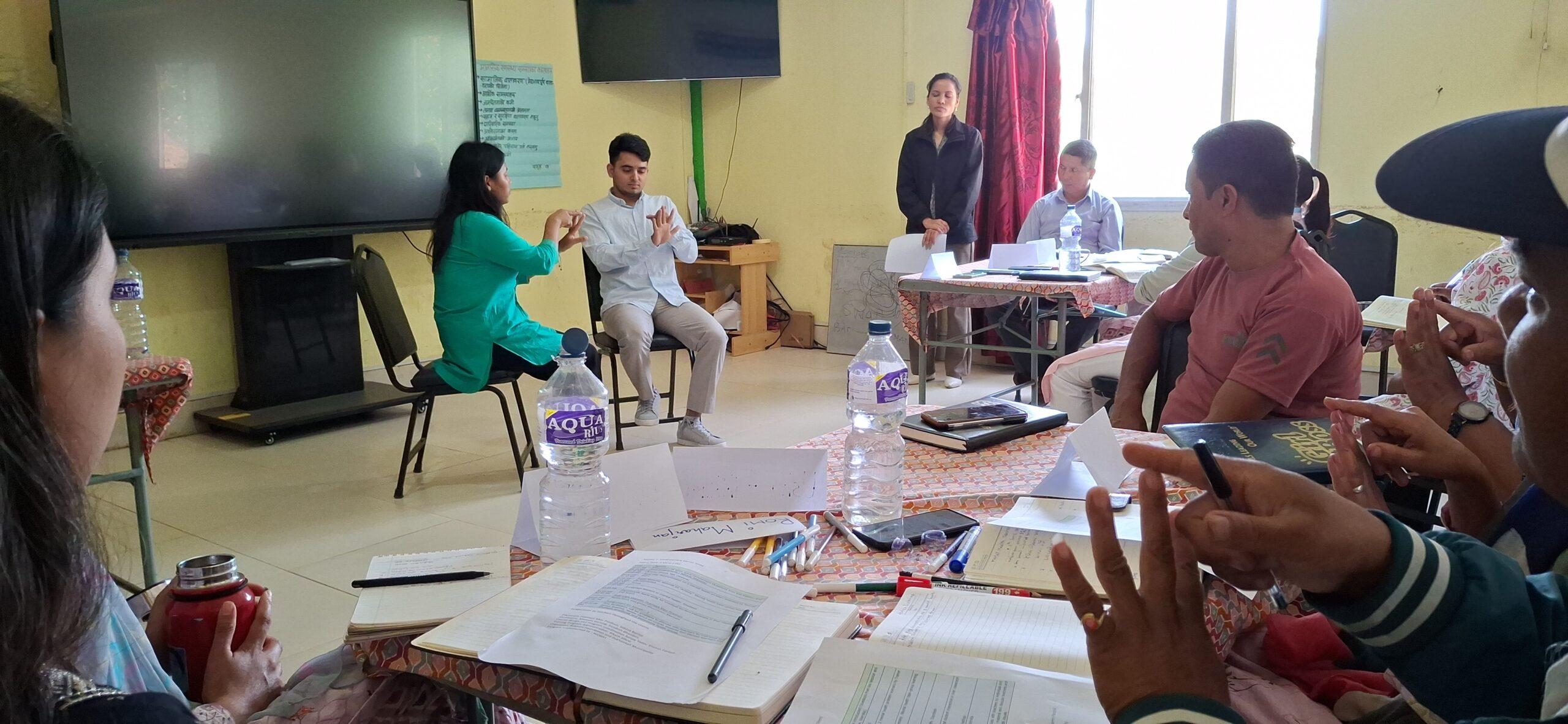
“Participants practicing the Palm Technique to manage stress and enhance wellbeing.”
Outcomes and Reflections
Teachers reported meaningful changes in their understanding and classroom practices, including:
- Increased confidence in identifying emotional challenges
- Greater empathy and supportive communication
- Improved awareness of personal wellbeing
- Practical application of classroom-based strategies
These outcomes contribute to safer, more responsive learning environments and reinforce the vital role teachers play in holistic child development.
Alignment with Rukmini Foundation’s Mission
This initiative aligns with Rukmini Foundation’s broader mission to empower girls and strengthen communities through holistic support systems that integrate emotional, physical, and educational wellbeing. By building teacher capacity, the Foundation supports not only academic learning but also the emotional foundations essential for children to thrive.
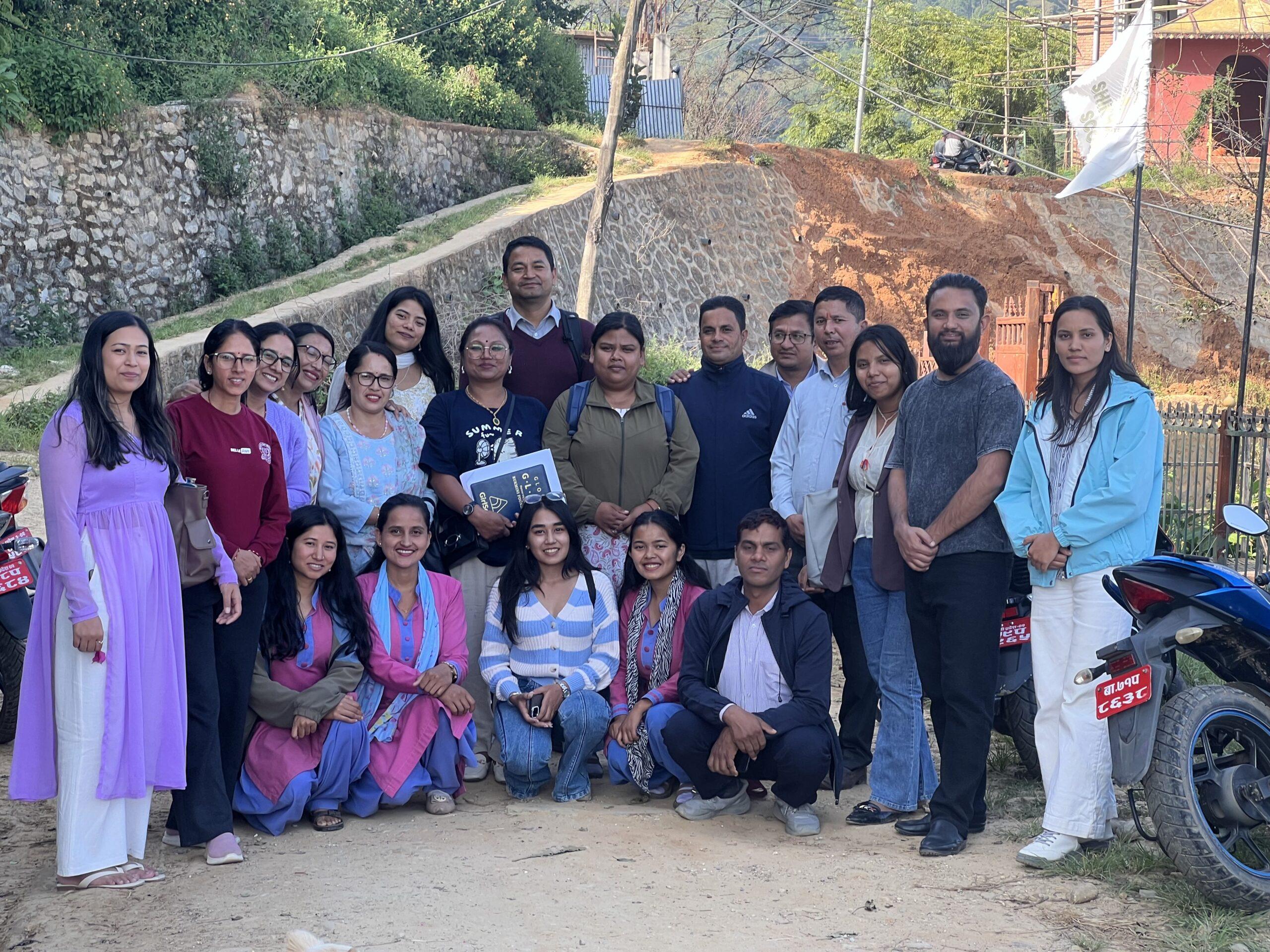
“Participants and teachers gathered for a group photo during the program.”
Looking Ahead
Rukmini Foundation remains committed to expanding mental health awareness initiatives within partner schools, integrating reflective and supportive practices into ongoing teacher development, and strengthening emotional wellbeing as a core component of educational excellence.
By equipping educators with the tools to recognize and respond to emotional needs, the Foundation continues to contribute to lasting positive change in schools and communities.

- “Didi, Can a Tiger Swim?”: A Day at the Central Zoo with 49 Curious Bahinis - May 31, 2026
- From the Back of the Room to the Center of the Stage: Our GLOW Clubs Shine at a UNESCO Science Fair - April 26, 2026
- A Daughter’s Courage: Sonima Tamang’s Story - March 28, 2026
- Equipping Educators: How Mental Health Training is Transforming Classrooms in Nepal - January 27, 2026
- Cultivating Change: Economic Empowerment Through Organic Farming in Pharping - August 30, 2025