By Sirjana Tamang
I still remember sitting on the other side of the circle.
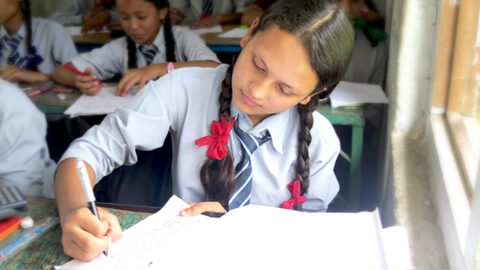
Years ago, I was one of the bahinis—the little sister who came to mentoring sessions with her head full of questions and her heart full of nerves. I didn’t know then that one day I’d be sitting on the Didi side, listening to a new generation of girls share their dreams.
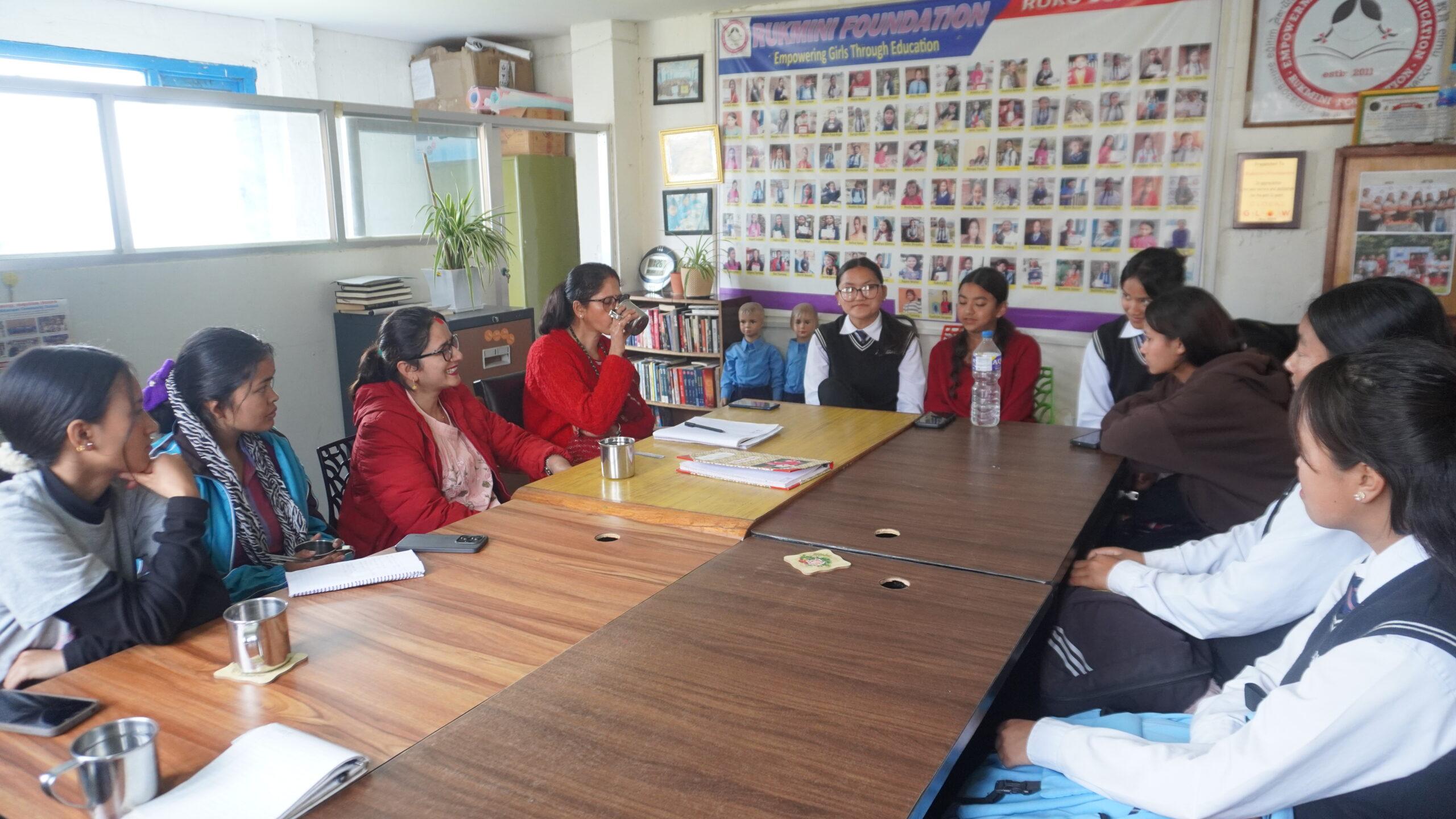
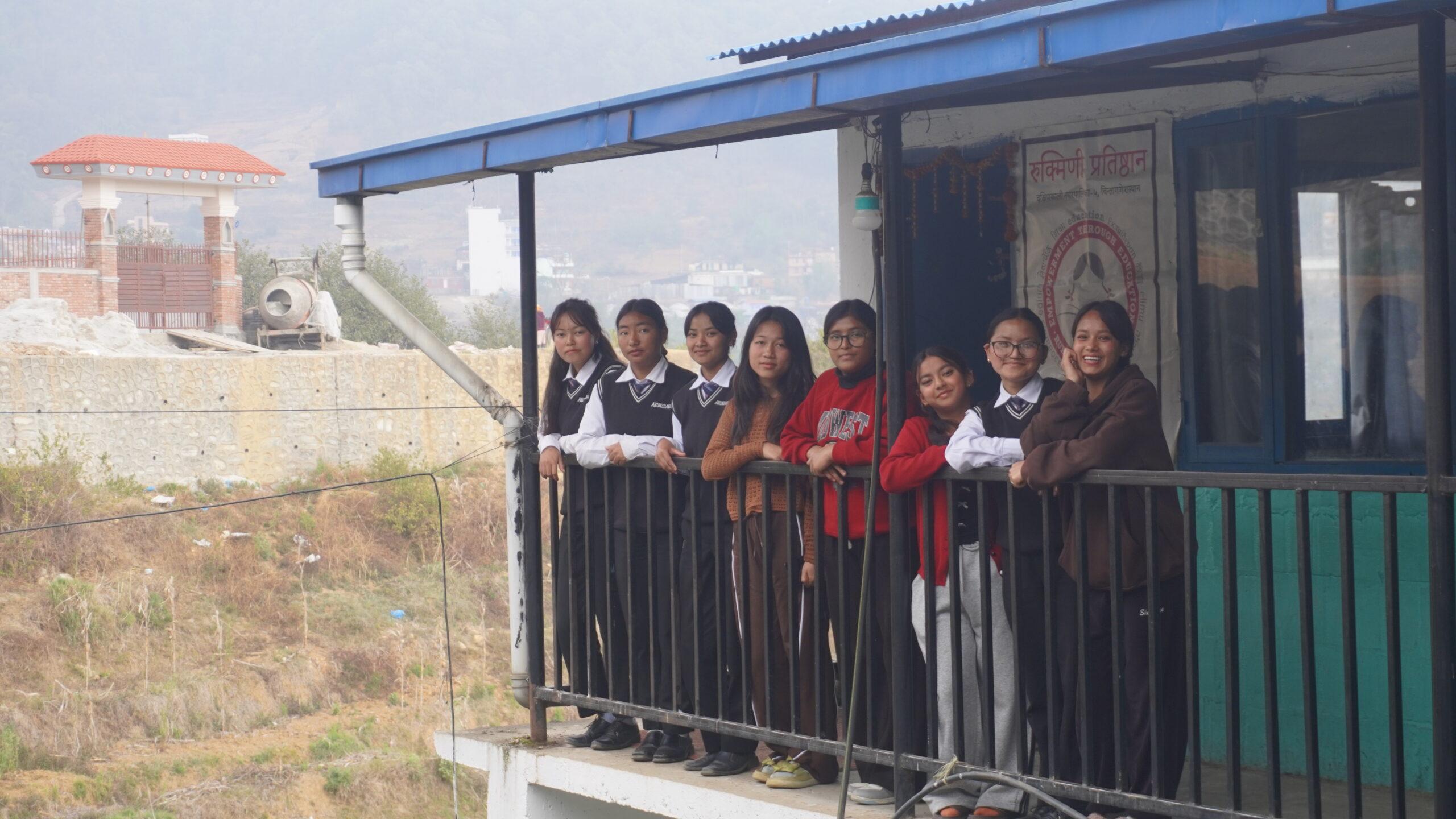
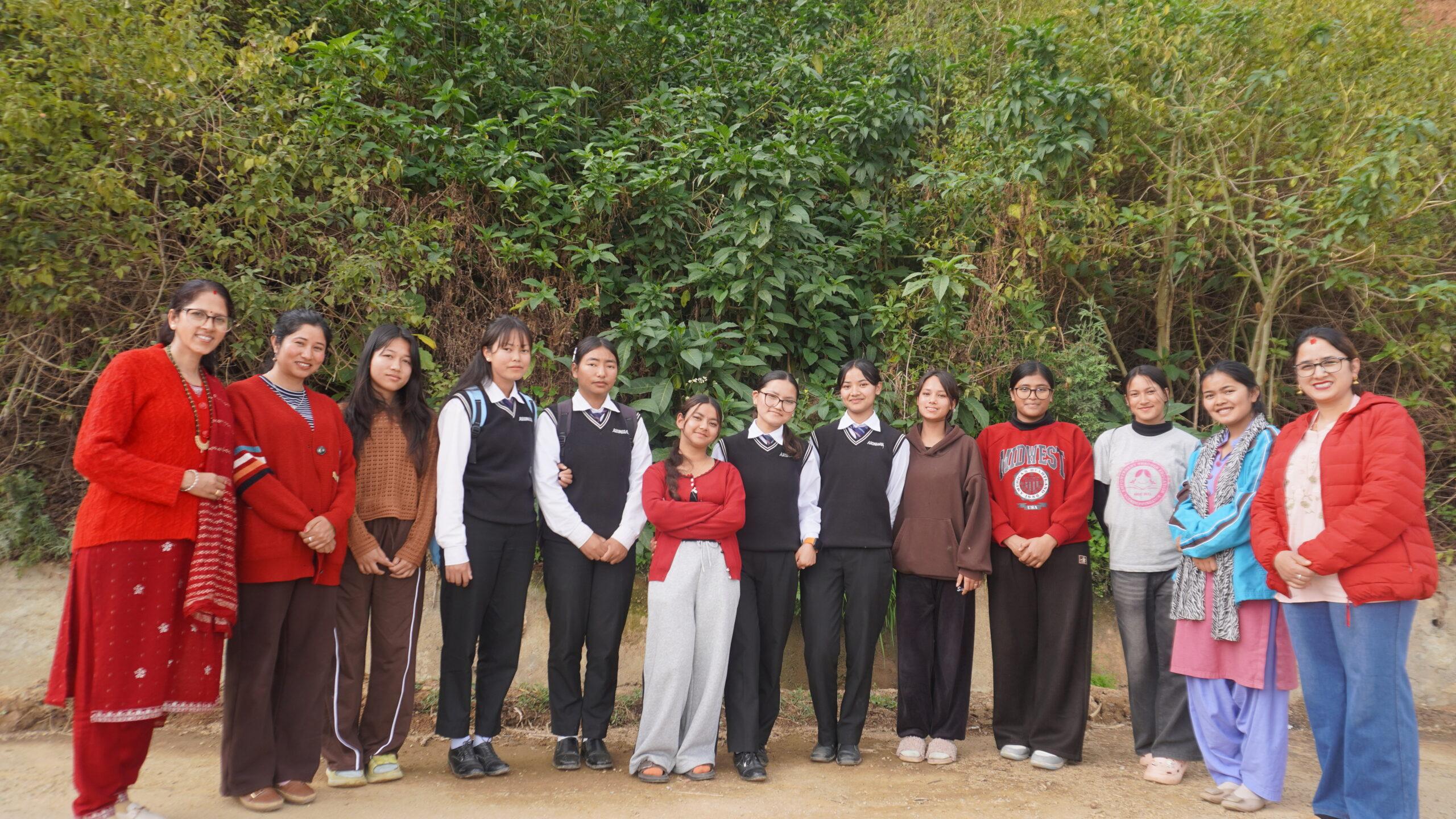
On the 13th of March, we gathered with our Grade 11 and 12 bahinis. It had been a while since we’d all sat together like this, and honestly? My heart was full just seeing their faces. So many of them I’ve watched grow up—from shy little ones hiding behind their notebooks to young women who walk into a room like they belong there.
But as we started talking, something settled in my chest that I wasn’t expecting.
The Hard Questions
We started simple. How are your studies? Which subjects are giving you trouble? Who needs extra help? The usual stuff. Some of them are doing amazing—Manjali, Bimala, Sunita. They’re the kind of students who make you want to stand up and clap. But others are struggling. NGs in Account, Chemistry, Computer. Too much phone time. Health issues. Family stuff.
We talked through it. Made plans. Promised to check in more often.
Then the conversation shifted. I asked the question I knew was coming but still wasn’t ready for: “What are you planning after +2?”
One by one, they spoke. Some said they want to stay, study here, maybe work. But five out of nine said they’re looking at opportunities abroad—applying for further studies, exploring work visas, or finding legal pathways that match their skills. Japan, the Gulf, other countries where they see a chance to grow.
More Than Just a Dream
I understand why they want to go. I was a scholar once. I know what it feels like to look around and wonder if there’s enough here for you. To see your parents work so hard and think, I need to do something. I need to help.
But I also know that a lot of what fuels this dream isn’t always the full story.
These days, everyone is on their phones—Facebook, TikTok, YouTube. You see a cousin or a neighbor who went abroad and suddenly they’re posting photos of nice cars, big houses, fancy restaurants. Or a friend of a friend sends back money and the family builds a new house. And that’s what sticks in your mind.
What you don’t see in those posts are the long shifts, the loneliness, the families falling apart, the times things don’t go as planned. Nobody puts that on their story.
Our girls are smart. But they’re also young. And when all they hear and see is the success side, it’s easy to think that leaving is the only way.
My Own Story
I think about my own life sometimes. I was lucky. I got to study here in Nepal, and then I started working with the foundation. Every evening, I go home to my mother. I can help my younger brother with his homework. I’m there when my mother needs someone to run an errand, or just to sit and drink tea with her. I can’t imagine being far away and only hearing her voice over a phone call.
I know not everyone gets that chance. But when I look at our bahinis, I wonder—how many of them would actually prefer to stay close to their families if they had real options here? To be able to work, earn a decent living, and still be there when their parents get old? To watch their younger siblings grow up? That’s not a small thing. That’s everything.
What This Means for Us
This session hit me differently because I’ve been where they are. And now, as someone who works with the foundation, I also know that we can’t just say “we support you” and then stop when they finish Grade 12.
If we want our girls to thrive—whether they stay or go—we have to think bigger. We have to ask ourselves: what are we creating for them here?
That’s why we’re starting to shift some of our focus. Not away from the younger girls, but expanding to think about what comes after. We’re talking about:
-
Skills training that actually leads to jobs here. Hospitality, IT, small business skills—things that can turn into something real.
-
Connecting them to colleges in Kathmandu, so they know there are paths to higher education that don’t require a plane ticket.
-
Keeping the mentorship going even after they leave school. Because they still need someone to call when things get hard.
-
Sharing honest conversations about what life abroad really looks like—the good and the hard—so they can make decisions with their eyes open.
We’re not going to fix Nepal’s economy overnight. That’s not on us. But we can make sure that when a girl wants to stay—or when she comes back—there’s something here for her. A network. A skill. A job. A community that sees her.
Sitting in the Circle
I think about that afternoon often. The way the room felt when they talked about leaving. Not sad, exactly. Just… heavy. Like we were all holding something we didn’t quite have words for.
But I also felt proud. These girls are brave. They’re honest. They told us what they’re scared of, what they hope for, what keeps them up at night. That kind of honesty is rare. And it’s a gift. It tells us where we need to go next.
One day, I hope I’m sitting in a circle and more hands go up when I ask, “Who’s staying?” Until then, I’ll keep showing up. For the ones who go and the ones who stay. Because once you’ve been a bahini, you never really stop being one.
And neither do I.
To learn more about our work with higher secondary students, or to support skills training initiatives, reach out to us. We’re building paths—both near and far—for the girls who trusted us with their dreams.

- Building Emotional Strength: Mental Health Awareness at Pharping - July 27, 2026
- Turning Trash into Treasure - June 29, 2026
- More Than Just a Cookbook - June 29, 2026
- “Care, Cleanliness, Confidence”: How 35 Bahinis Learned to Talk About Periods Without Shame - May 28, 2026
- “Sometimes I Felt Like Quitting, But I Never Quit”: A Didi’s Story of Resilience - May 28, 2026