By Sirjana Waiba
“Believe in yourself. Ignore negative labels. Continue learning. Never stop trying.”
— Pabitra Ghimire, Director of Health Concern
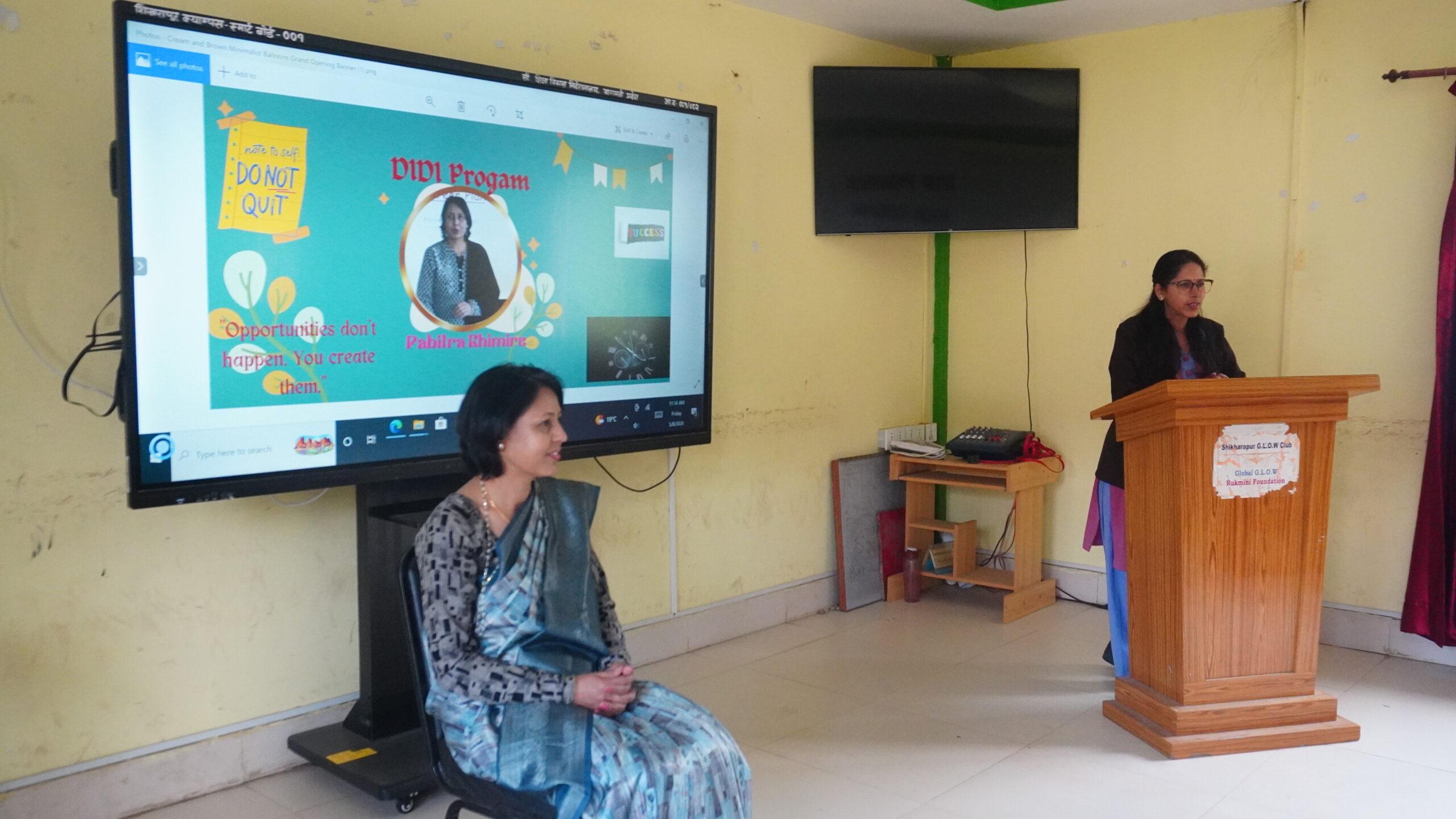
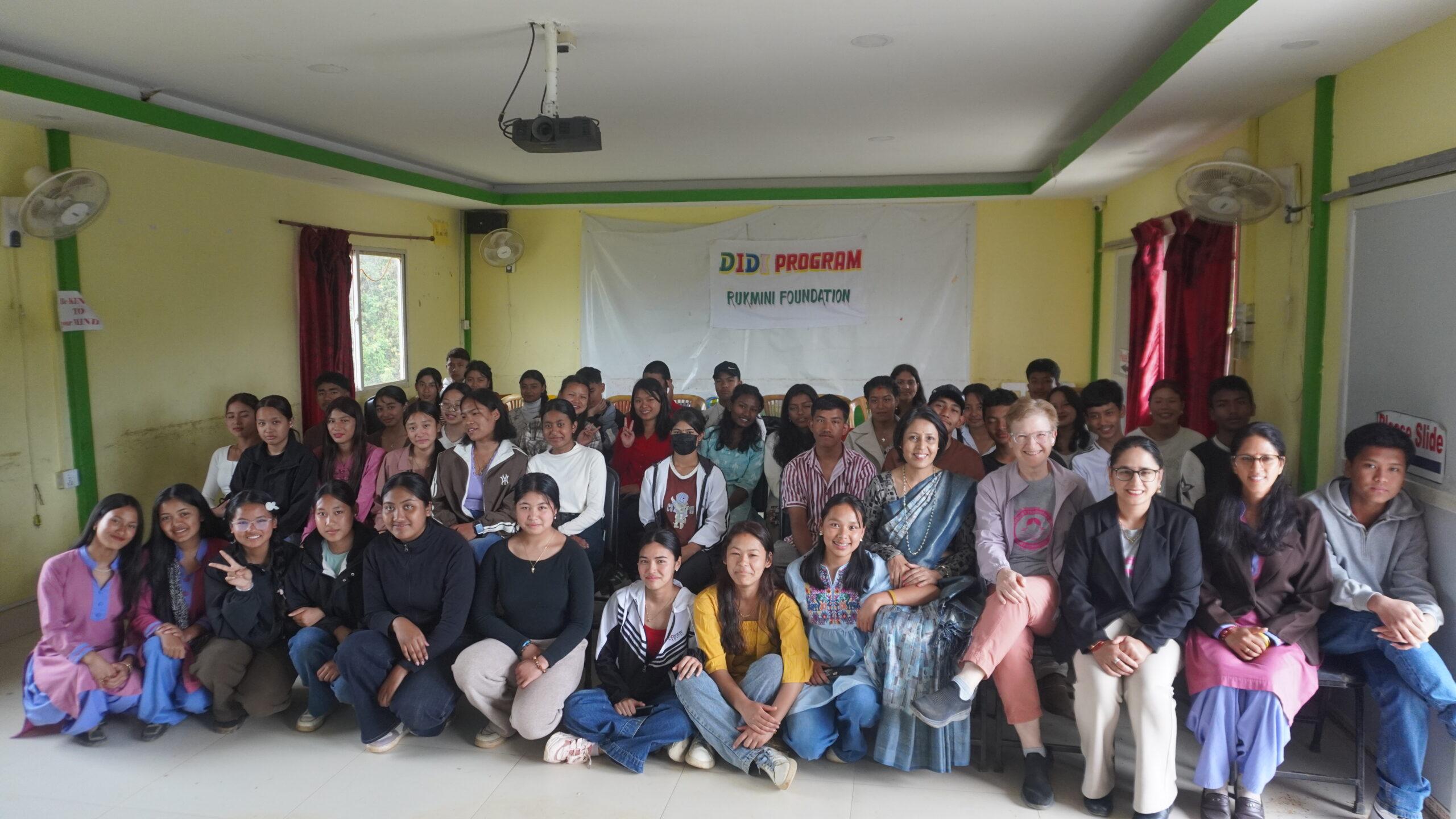
On May 8th, the Rukmini Foundation welcomed 50 SEE students and computer trainees to a special Didi Program. The word Didi means “elder sister,” but on this warm May morning—a month when the world celebrates mothers—our guest speaker became something closer to a mother in spirit: firm, loving, and full of hard‑earned wisdom.
Her name is Pabitra Ghimire. She is now the Director of Health Concern, an entrepreneur, and a mentor. But her journey to that podium was paved with frequent school transfers, bullying, self‑doubt, and nearly five years of setting aside her own dreams for family responsibilities.
And yet, she never quit.
A Rural Beginning and a Mother’s Quiet Strength
Pabitra grew up in a rural area where good schools were scarce. Her parents were farmers—her father a retired employee of Janak Education Materials Centre, her mother Urmila a homemaker and farmer. She was one of six siblings: five sisters and one brother.
Because good schools were far away, her childhood became a blur of constant transfers—Lamatar, Baneshwor, Lalitpur. Each move meant a new language, new teachers, new bullies.
Her mother Urmila never had the chance to go to school herself. But every evening, after working in the fields, she would sit with Pabitra and say, “Padh, chori. Timro padhai nai timro bato ho.” (Study, daughter. Your education is your path.)
That mother’s belief became the invisible thread that held Pabitra together during the hardest years.
The Tie, The Bullying, and The Teacher Who Believed
One of Pabitra’s most vivid memories is about a tie.
In her previous school, she always wore a neat tie as part of the uniform. When she transferred to a new school where ties were not required, she felt naked and uncomfortable. So one day, she wore her father’s tie—far too big, hanging loose. The other children laughed.
But she didn’t take it off. That small act of stubbornness taught her something: You don’t have to fit in to be worthy of respect.
She also experienced bullying because she could not speak the local Newar language fluently. Some teachers were discouraging—telling her she would never catch up. But a few stood out. A handwriting teacher, a music teacher, and an art teacher (who also taught handwriting, to everyone’s surprise) saw something in her.
One teacher from Bhaktapur especially pushed her to improve her mathematics and handwriting. That encouragement, Pabitra says, “rebuilt my confidence when I had none.”
“Teachers should never tell students that they cannot do something.”
— Pabitra Ghimire
The Gap That Became a Gift
When she was moved from a private school to a public school, she was admitted directly to Grade 4—skipping Grade 2 and 3. For a while, she was the only student in Grade 4, so she barely studied that year.
Mathematics became a nightmare. But English became her sanctuary. Through endless practice, she learned a lesson she now shares with every Bahini:
“What we learn, we can improve through practice.”
College at Patan Multiple Campus (ISC, then BSc, then partially completed MSc) was a time of independence and friendships—even as Nepal went through the difficult Maoist conflict. She became a self‑learner, a skill that would later save her.
Marriage, Motherhood, and Putting Dreams on Hold
In 2060 B.S. (early 2000s), Pabitra married a doctor who had completed his MBBS on a full scholarship. Marriage was a turning point—not an ending.
For nearly five years, she dedicated herself to family responsibilities and raising children. Her professional journey slowed to a crawl. But her husband became her greatest cheerleader, constantly saying, “You have so much to give. Don’t stop.”
During those years, many people might have given up. Pabitra did not. She kept learning quietly, reading, observing. And when the time was right, she stepped back into the world—not as the same uncertain girl, but as a woman who knew her value.
From Administrator to Entrepreneur
She began working in medical entrance preparation institutions, handling administrative work. Then she registered her own organization: Health Concern.
She built her career step by step—learning operations, management, communication, coordination. Entrepreneurship, she admits, is “challenging but rewarding for those who continue learning and working consistently.”
But her leadership philosophy is what truly sets her apart. She believes:
“Every person has value.”
She insists on equal respect for assistants, cleaners, staff members at all levels. “Organizations grow when people feel respected and appreciated,” she says. And supporting women, she adds, “strengthens society and creates opportunities for future generations.”
Career Guidance That Changes Lives
During the Didi Program, Pabitra did not just tell her story. She gave practical, actionable advice to our Bahinis.
She spoke about opportunities in:
-
Nursing
-
Engineering
-
Technical and vocational education (CTEVT)
-
Polytechnic training
-
Health assistant programs
She named institutions: Pulchowk Campus, Thapathali Campus. She told students to practice MCQs daily for entrance exams, explore their own interests, and build both academic and practical skills.
Her most powerful piece of advice?
“Search for yourself.”
Not for a job title. Not for your parents’ approval. Search for what makes you feel alive.
What Success Really Means
For Pabitra, success is not a salary or a position. She defines it as:
“Completing what you dared to begin. Improving someone else’s life. Continuing despite obstacles.”
Happiness, she says, comes from meaningful contribution and personal growth.
And then she said the words that stayed with every girl in that room:
“Sometimes I felt like quitting, but I never quit.”
How the Bahinis Responded
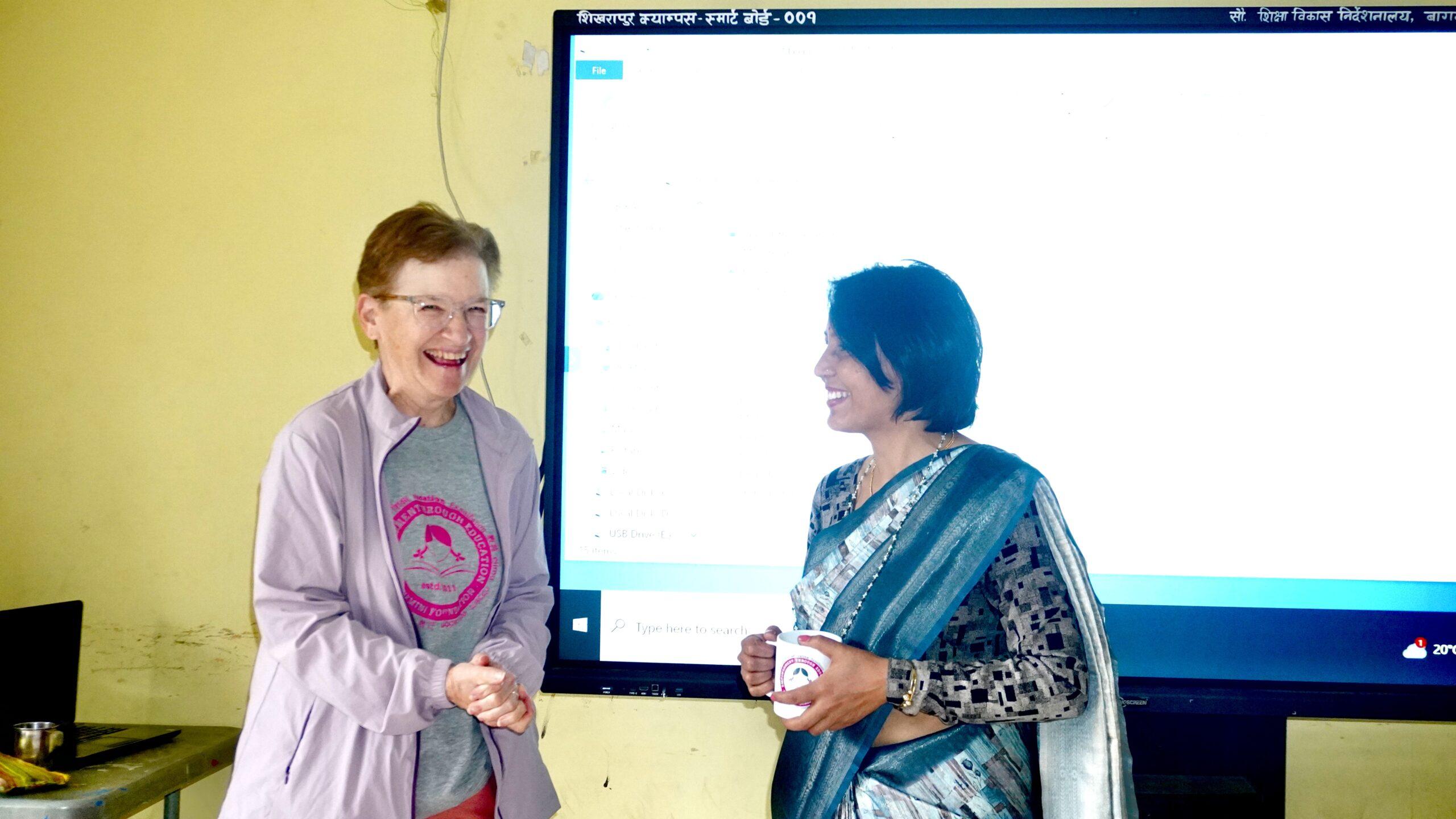
After the session, our girls shared what they learned:
-
Aashika said: “By learning from others and staying dedicated through hard work and consistency, we can achieve our goals.”
-
Jamuna said: “Stay motivated, never give up, and respect everyone—because every individual has their own unique value.”
The program met all its objectives:
✅ Motivation to continue learning with confidence
✅ Inspiration from real‑life struggles
✅ Awareness of career opportunities
✅ A renewed belief in self‑worth
A Mother’s Day Reflection
This program happened in May—the month we celebrate Mother’s Day. And as we listened to Pabitra, we realized: she was speaking not just as a Didi, but as a mother‑figure to every girl who has ever been told “you can’t.”
Her own mother, Urmila, never went to school. But she planted a seed that grew into an entrepreneur, a mentor, and a woman who now helps other women find their feet.
That is the quiet magic of motherhood—and of every woman who refuses to quit.
Watch the Full Program Recap
📸 See photos from the Didi Program → Flickr Album
🎥 And don’t miss our latest documentary on Karuna Sunar—another woman who turned struggle into self‑reliance. → YouTube
Support Our Work
The Didi Program is just one way Rukmini Foundation brings real‑life role models to our Bahinis. You can help us host more sessions like this by Donating here.

- From Afraid to Ask to Ready to Try - September 22, 2026
- New Skills for a Changing Nepal - September 22, 2026
- Building Emotional Strength: Mental Health Awareness at Pharping - July 27, 2026
- Turning Trash into Treasure - June 29, 2026
- More Than Just a Cookbook - June 29, 2026