By Usha Adhikari, Executive Director
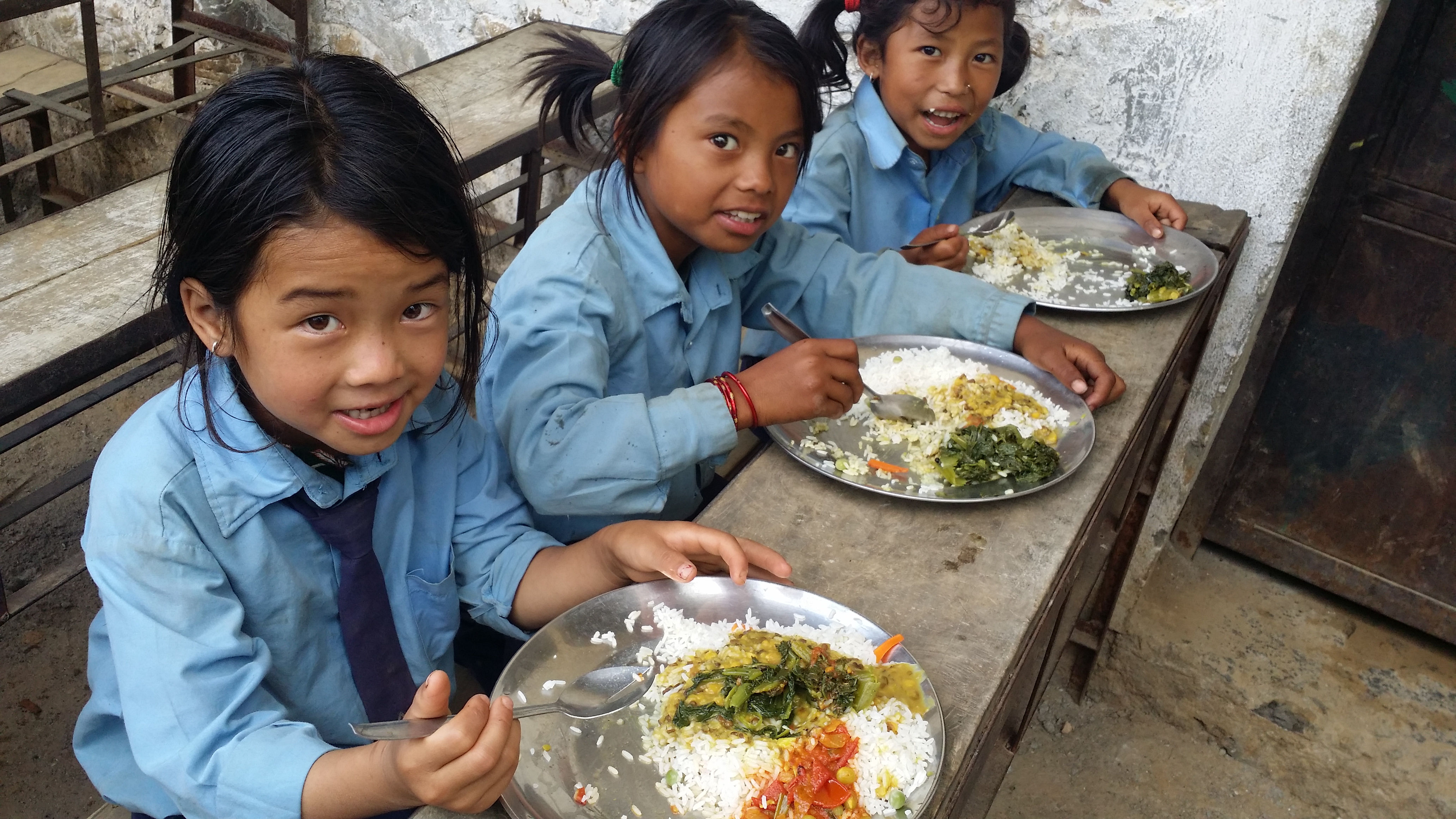
At Rukmini Foundation, we’ve always believed that a girl’s education is about more than books and classrooms. It’s about making sure she is healthy, focused, and not learning on an empty stomach. That’s why our Day Meal Program has been close to my heart since we first started it at Kalidevi Secondary School back in 2017.
Over the years, we’ve grown slowly but steadily—adding Champadevi, then Panchakanya. This year, we set an ambitious goal: to have a lunch program either started or in the works in every one of our partner schools. That includes Shreekrishna, Pharping, Arunodaya, and Kamadhenu.
And this March, I am thrilled to say that we took two giant steps forward.
Step One: Listening and Learning at Two New Schools
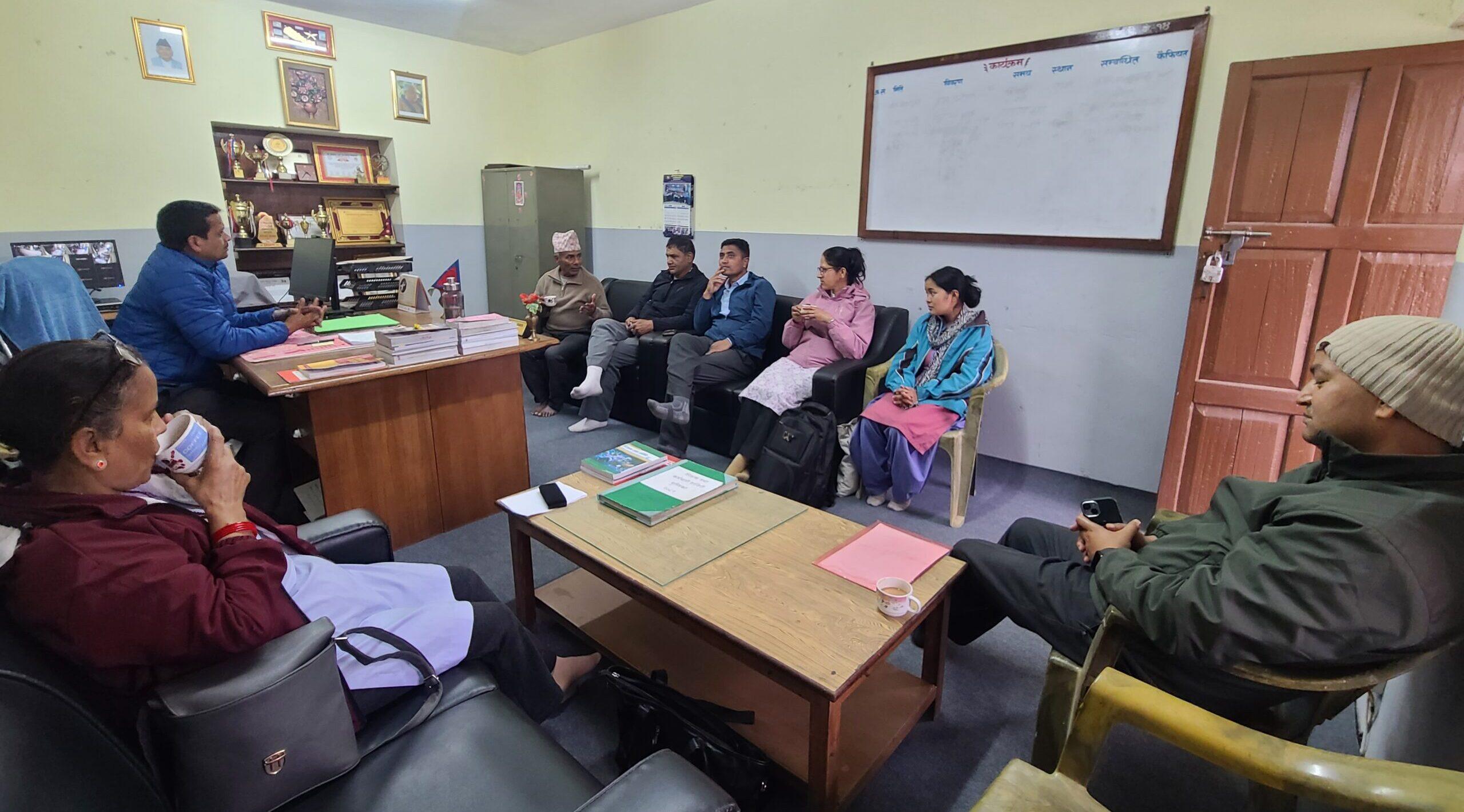
On March 13 and 14, our team visited Arunodaya Secondary School and Pharping Secondary School. These were not the kind of meetings where we simply handed over a proposal. We sat down with principals, teachers, and school management committees. We listened.
At Arunodaya, Principal Dilli Raj Panta welcomed the idea warmly. Teacher Rama Basnet shared something that stayed with me: “Some children bring snacks to school. Others just watch because they don’t have pocket money. This program will make sure every child is treated equally.” Principal Panta promised to take the proposal to his School Management Committee.
At Pharping, Principal Rajesh Shrestha was honest about his concerns—especially the budget. We talked through how we manage costs at Setidevi, bringing vegetables from Kathmandu to keep prices low. By the end, his hesitation had turned into commitment. “Within one month,” he said, “we will arrange a kitchen and a cook.” Teacher Shree added that the program would save parents time and money spent on packing tiffin every day.
Both schools said yes. Not a final yes—there are still details to work out—but a real, hopeful yes. That alone felt like a victory.
Step Two: A Historic Agreement in Ward No. 8
But March had one more surprise for us.
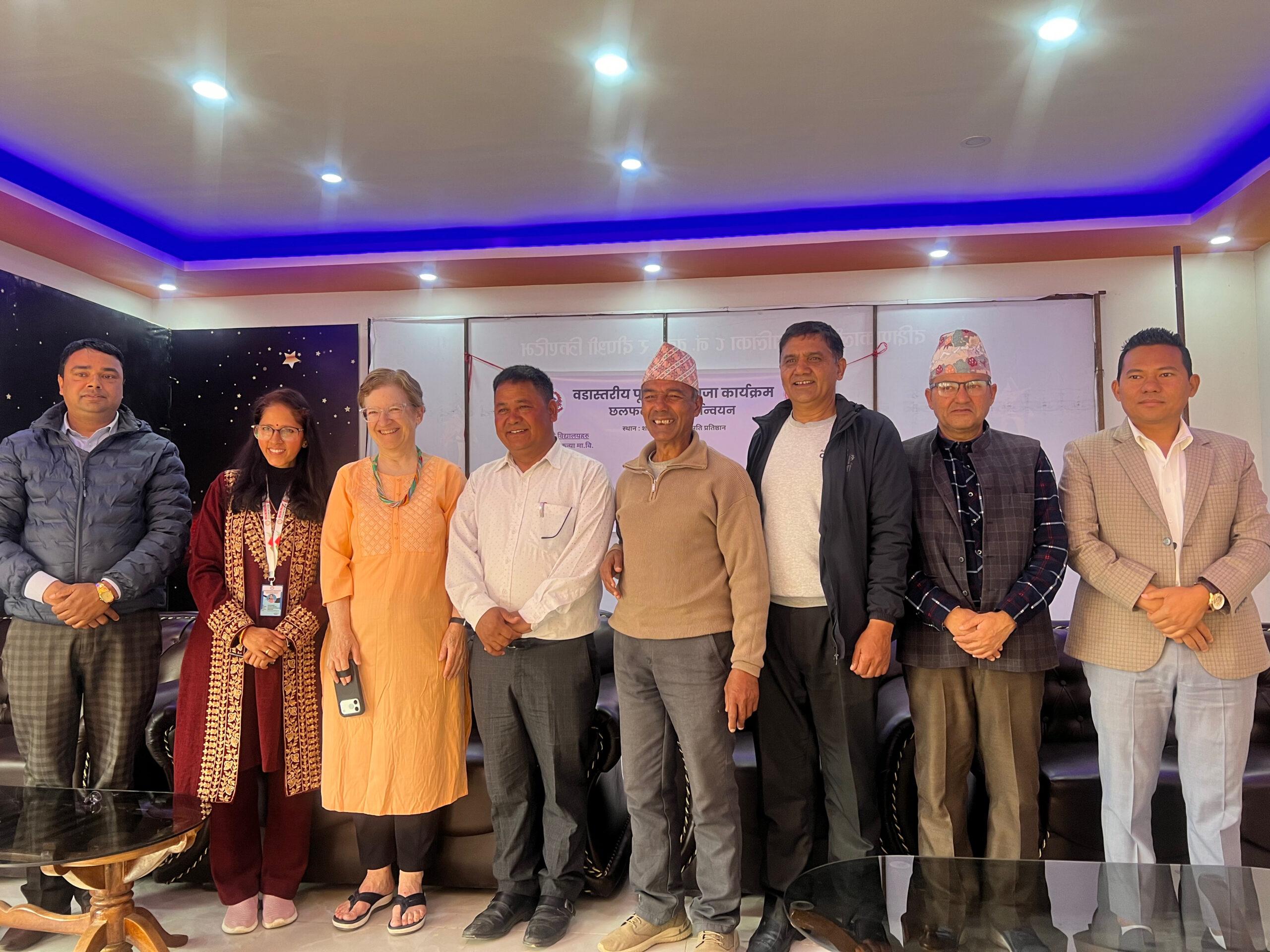
On the 27th of March, we gathered at Man Bahadur Smriti Pratishthan Building in Chhaimale, Ward No. 8. Around the table sat principals, teachers, School Management Committee chairs, Ward Chairperson Yash Kumar Lama, community leaders, our foundation staff, and even Tina Glesner, a board member from Rukmini Foundation USA.
We were there to talk about meals. But by the end of the day, we made history.
We signed a tripartite agreement between the Ward Office, the schools, and Rukmini Foundation. The result? Ward No. 8 is now the first “Full Day Meal Ward” in Dakshinkali. Every school in the ward—all three of them—will have a full day meal program.
Here’s how it will work:
-
The Government of Nepal already provides Rs. 20 per student (ECD to Grade 5).
-
Rukmini Foundation supports meals for Grades 6 to 10.
-
And now, Ward No. 8 has committed an additional Rs. 7 per student per day for the meals we support.
That small amount—Rs. 7—is actually enormous. It means the local government is putting its own money into the fight against hunger. It means sustainability. It means ownership.
Why This Matters
Ramesh Aacharya, principal of Shreekrishna Secondary School, said something that captured the heart of it: “Many of our students walk long distances to school. Providing meals is not just a kindness—it is a necessity.”
He also promised transparency, regular audits, and a ban on junk food. That’s the kind of responsibility that makes a program last.
Prakash Bisunke, a community leader, put it simply: “Rukmini Foundation understands what our community needs. Working with people who get it—that’s how change happens.”
And Laxman Dahal, head of the Education Department of Dakshinkali Municipality, said this program is a model for other wards. I hope he’s right. Because if other wards follow, imagine what we could achieve together.
What This Means for Our 2026 Goal
At the start of the year, we named four target schools. With this agreement, Shreekrishna is not just “in the works”—it’s a done deal. Panchakanya, another school in Ward 8, is also covered. And our conversations with Arunodaya and Pharping are moving forward. We are now more than halfway to our goal, and the momentum is building.
A Month of Strong Communities
March is Women’s History Month, and I’ve been thinking a lot about what creates real, lasting change. It’s not just about strong individuals—though we have so many, from our girls to our mentors. It’s also about communities coming together. The ward office, the schools, the foundation, the parents. All of us, hand in hand.
This full‑day meal ward is proof that when we stop working in silos and start working as one, children benefit. And that is the best gift we can give.
Looking Ahead with Gratitude
I want to thank Ward No. 8, the school leaders, our supporters at All People Be Happy Foundation, and everyone who believes in this work. You have helped us turn a small idea into a model that others can follow.
We still have work to do at Pharping and Arunodaya, and we haven’t forgotten Kamadhenu. But after March 27th, I go into the next quarter feeling lighter, prouder, and more hopeful than ever.
Because now, when a child in Ward No. 8 walks a long distance to school, she will not just find a classroom. She will find a warm meal. And that meal will help her dream bigger.
To support our Day Meal Program, please consider making a donation through our website. Together, we can make every ward a full‑day meal ward.

- Inspiring Dreams: Didi Program and Graduation Ceremony - July 27, 2026
- Aakriti Mahat: From a Shy Girl to a Successful Businesswoman - July 26, 2026
- Seeing Impact Up Close: My Time with Rukmini Foundation - June 29, 2026
- A Plate of Hope: How We’re Growing Our Day Meal Program Across Dakshinkali - March 28, 2026
- A Warm Welcome to Yojana: A New Chapter in Our Foundation Family! - November 28, 2025